
Top 3 Chronic Respiratory Diseases Affecting Men In The USA
Below, are three of the top chronic respiratory diseases affecting men in the U.S., listed from the most prevalent to less common—but all significant in terms of burden.
1. Chronic Obstructive Pulmonary Disease (COPD) – including chronic bronchitis & emphysema

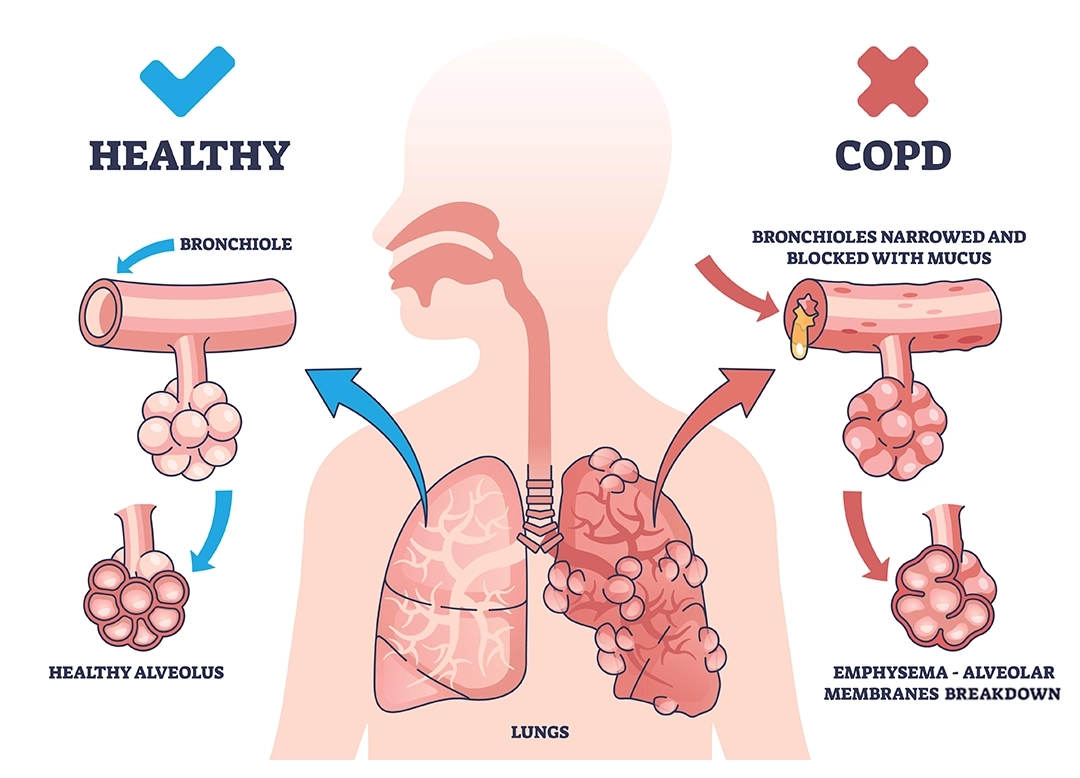
What it is
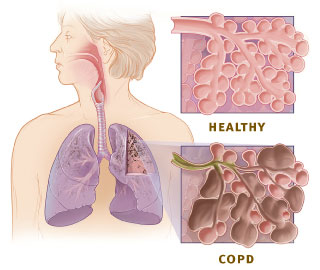
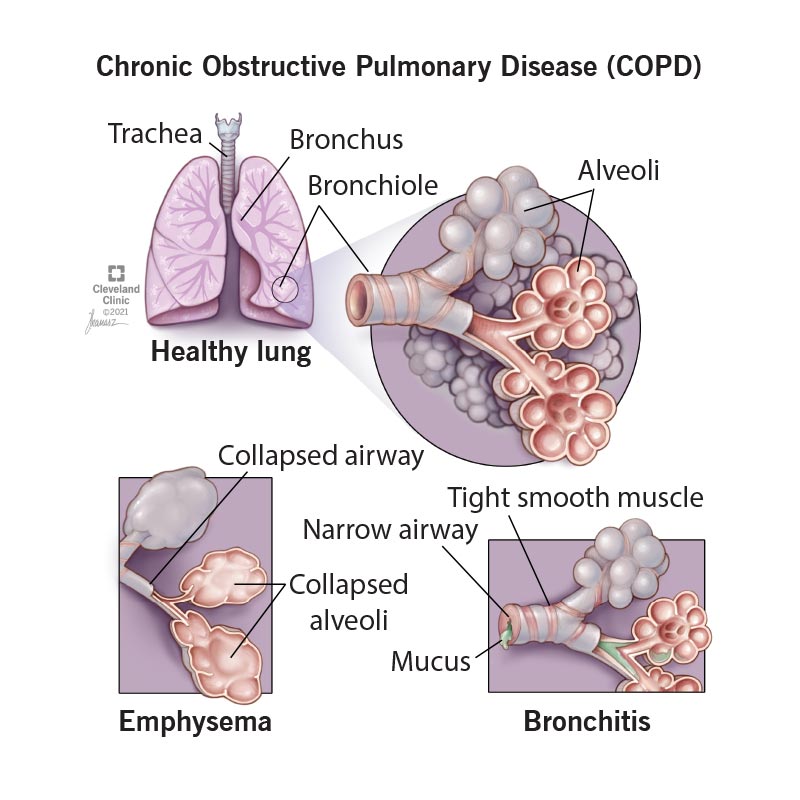
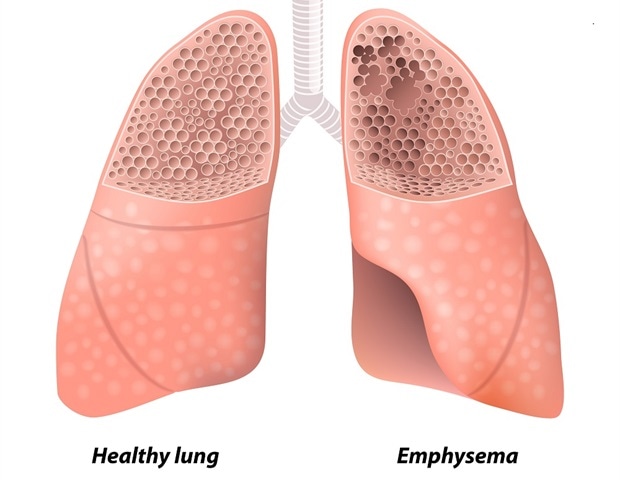
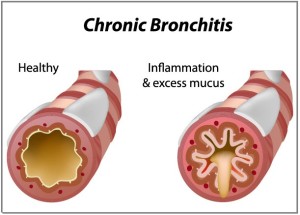
COPD is a group of progressive lung diseases that obstruct airflow and make breathing difficult—most commonly chronic bronchitis and emphysema.
Why it’s highest in prevalence
-
According to the Centers for Disease Control and Prevention (CDC), about 4.2% of U.S. adults (all sexes) have ever been diagnosed with COPD, emphysema or chronic bronchitis. (CDC)
-
COPD is a leading cause of death in the U.S., and it remains one of the major chronic respiratory burdens. (CDC)
-
Men often have higher exposure to key risk-factors (smoking, certain occupational exposures) and historically higher rates of COPD. For example, globally men had a higher age-standardised incidence of COPD than women. (PMC)
Why it matters for men
Because COPD contributes strongly to reduced mobility, hospitalisation, reduced quality of life and risk of comorbidities (cardiovascular disease, etc.). For men with history of smoking or occupational exposures (mining, manufacturing, chemicals) the risk is notably elevated.
Key takeaways
Prevention (quit smoking, reduce exposure to airborne pollutants), early detection (especially if one has chronic cough, breathlessness) and management (pulmonary rehab, medications) are vital.
2. Asthma (Chronic asthma in adults)



What it is
Asthma is a chronic disease characterised by airway inflammation, bronchoconstriction and variable airflow obstruction and symptoms like wheeze, cough, shortness of breath.
Prevalence & relevance in men
-
In the U.S., about 8.6% of adults age 18+ currently have asthma. (CDC)
-
Note: Some data show asthma overall is more common in women than men—but it still remains a major chronic respiratory disease in men, particularly when considering adult onset asthma, occupational asthma, or exacerbations. (Asthma & Allergy Foundation of America)
Why it matters for men
Men with asthma might under-report symptoms, or delay care; they may also have occupational exposures (dust, fumes) that exacerbate asthma. Managing asthma well is important because uncontrolled asthma causes significant morbidity, diminished work capacity, and risk of severe exacerbations.
Key takeaways
Effective inhaler use, avoidance of triggers (smoke, occupational irritants, air pollution), regular check-ups, and action plans can help keep asthma in check.
3. Obstructive Sleep Apnea (OSA) – considered a chronic respiratory/airway disease


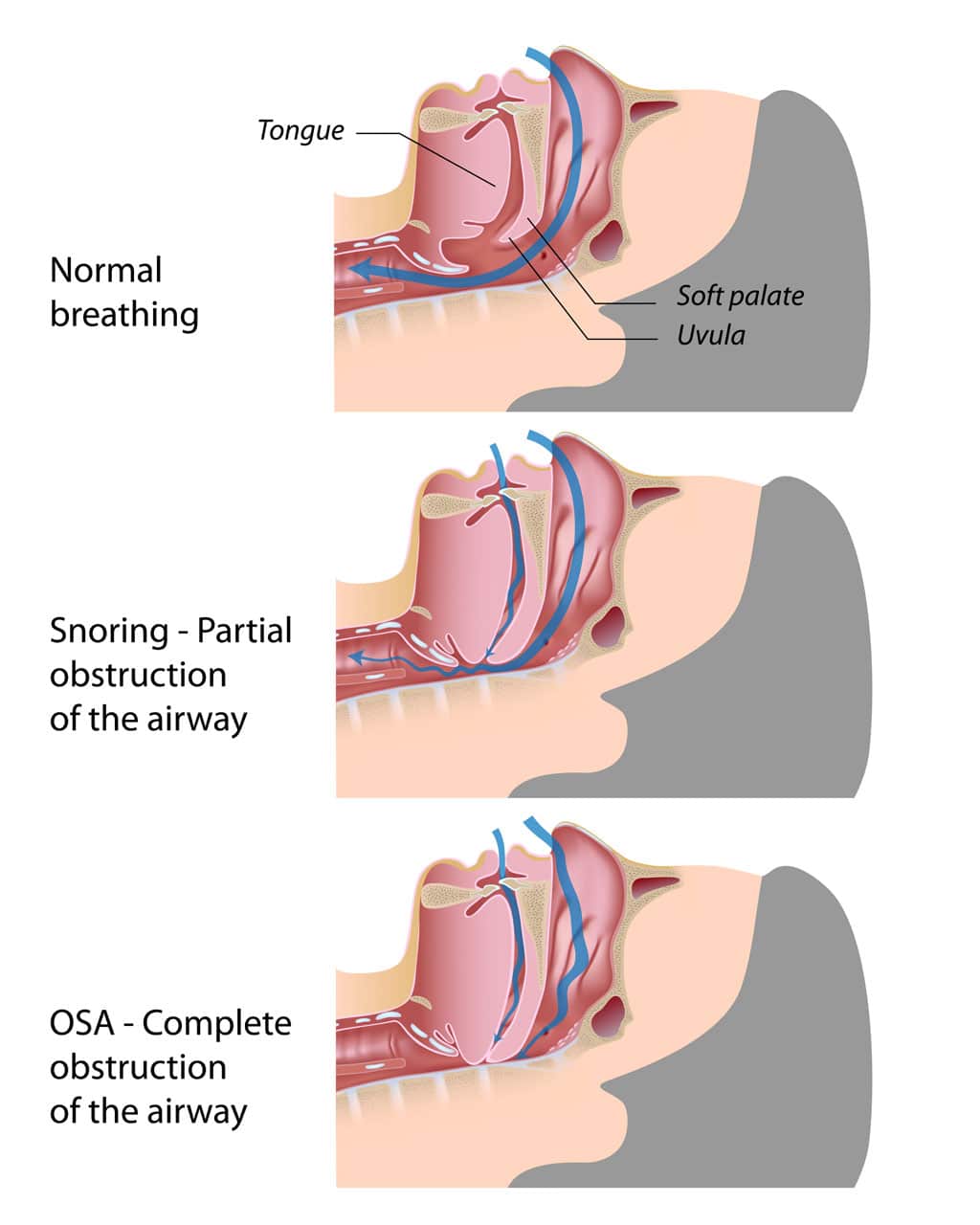



What it is
Obstructive sleep apnea (OSA) occurs when the upper airway collapses or becomes restricted repeatedly during sleep, causing breathing pauses, oxygen dips and disrupted sleep. While often thought of as a “sleep disorder,” it has important chronic respiratory (and cardiovascular) consequences.
Prevalence & especially for men
-
Some large survey/cohort data suggest that among U.S. adults, for men aged 30-70 years, at least mild OSA is estimated in ~14% (or more) and moderate-to-severe OSA in ~13% men in earlier studies. (JAMA Network)
-
More recent work indicates higher estimates: e.g., an article suggests ~39.1% prevalence of OSA among males in the U.S. when adjusting for obesity. (ScienceDirect)
-
Men are significantly more likely than women to have OSA (often 2-3x higher). (American Medical Association)
Why it matters for men
OSA contributes to chronic respiratory stress (oxygen desaturations, inflammation), increases risk of cardiovascular disease, stroke, diabetes, reduced daytime functioning, accidents due to sleepiness. For men with obesity, large neck circumference, snoring, hypertension it’s especially relevant.
Key takeaways
Screening for signs (snoring, witnessed apnea, daytime sleepiness), lifestyle changes (weight loss, sleep hygiene), CPAP or other therapies matter. Although OSA is not always classed in classic “chronic lung disease” lists, its burden in men is substantial and growing.
Additional notes
-
There are other chronic lung/airway diseases (e.g., interstitial lung disease such as Idiopathic Pulmonary Fibrosis) that disproportionately affect older men, but their prevalence is much lower than the three above. For instance, IPF prevalence in men in the U.S. is estimated around 20 cases per 100,000 for males. (Medscape)
-
When looking at burden, the group “chronic lower respiratory diseases (CLRD)” which includes COPD, chronic bronchitis, emphysema and asthma remains high on causes of death and disability in U.S. men. (BioMed Central)


