
Top 3 Cancers Affecting Men In The USA
Here are the top 3 cancers affecting men in the U.S. today, ranked by prevalence of new cases (excluding non‐melanoma skin cancers) — along with key facts:
1. Prostate Cancer


-
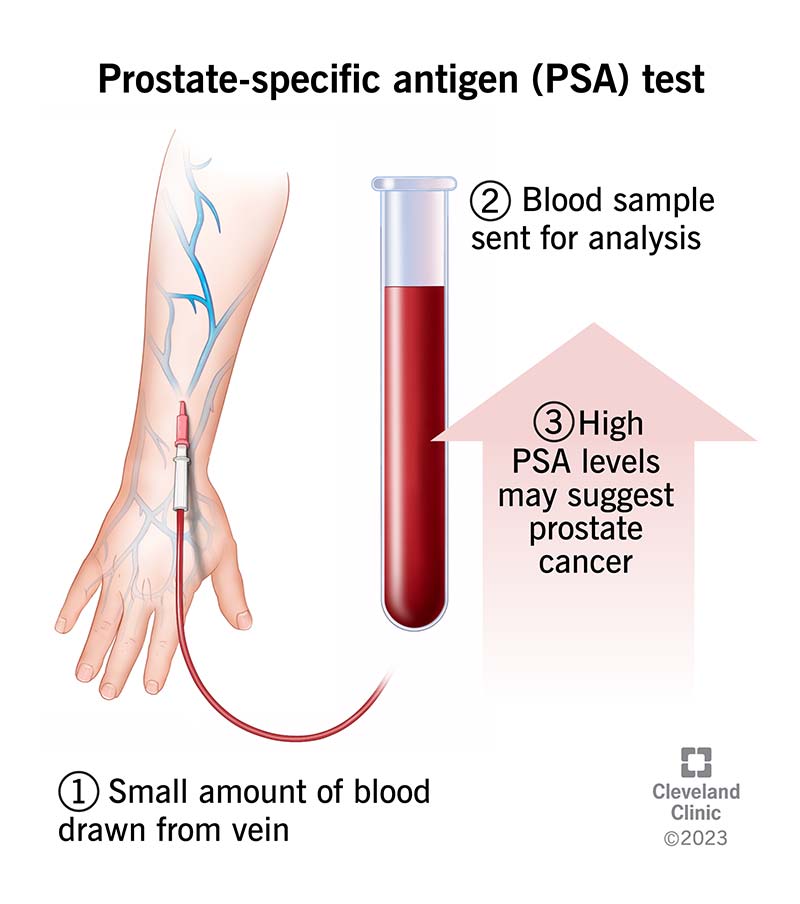
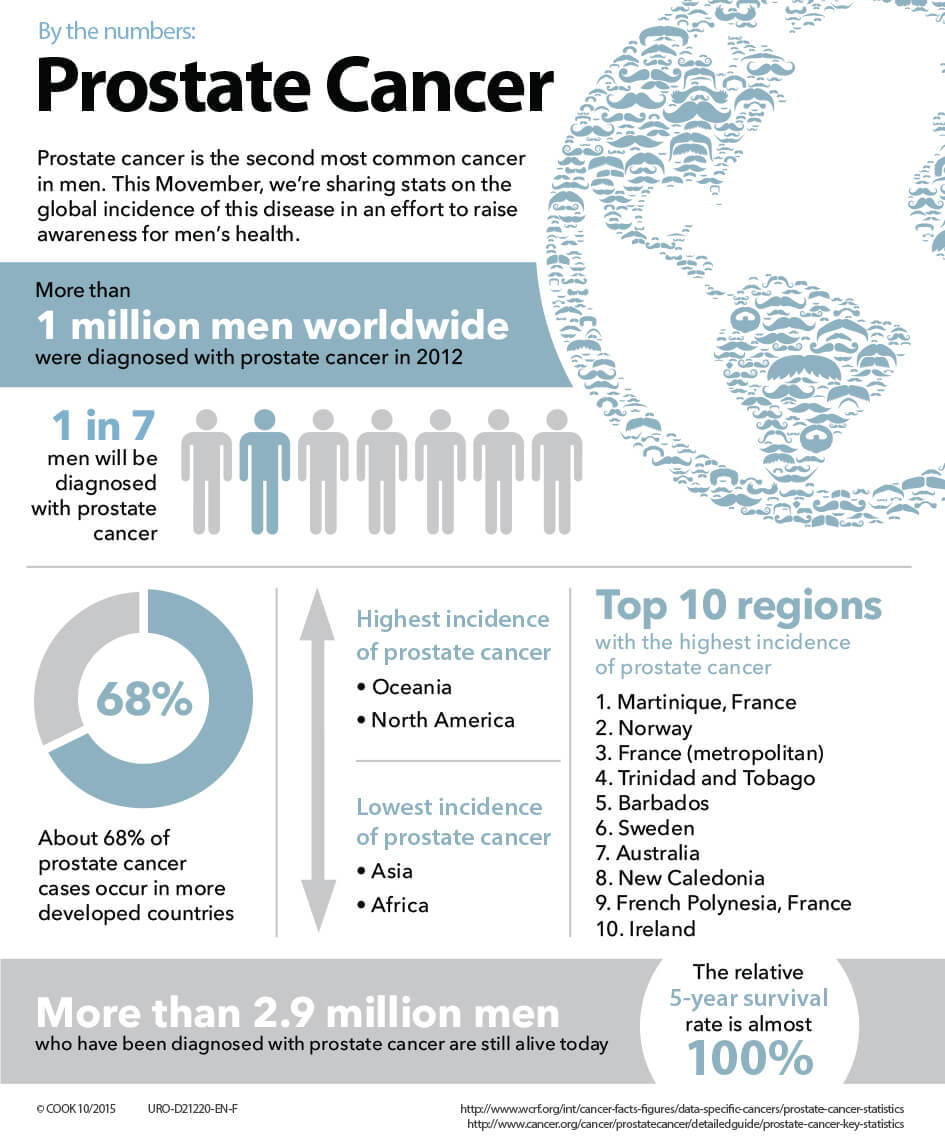
Prostate cancer is the most commonly diagnosed cancer in U.S. men (aside from non-melanoma skin cancers). (American Cancer Society)
-
For example, in 2022 there were ~255,395 new cases reported in U.S. men. (CDC)
-
It is also one of the leading causes of cancer death in men (though survival is relatively good when found early). (American Cancer Society)
-
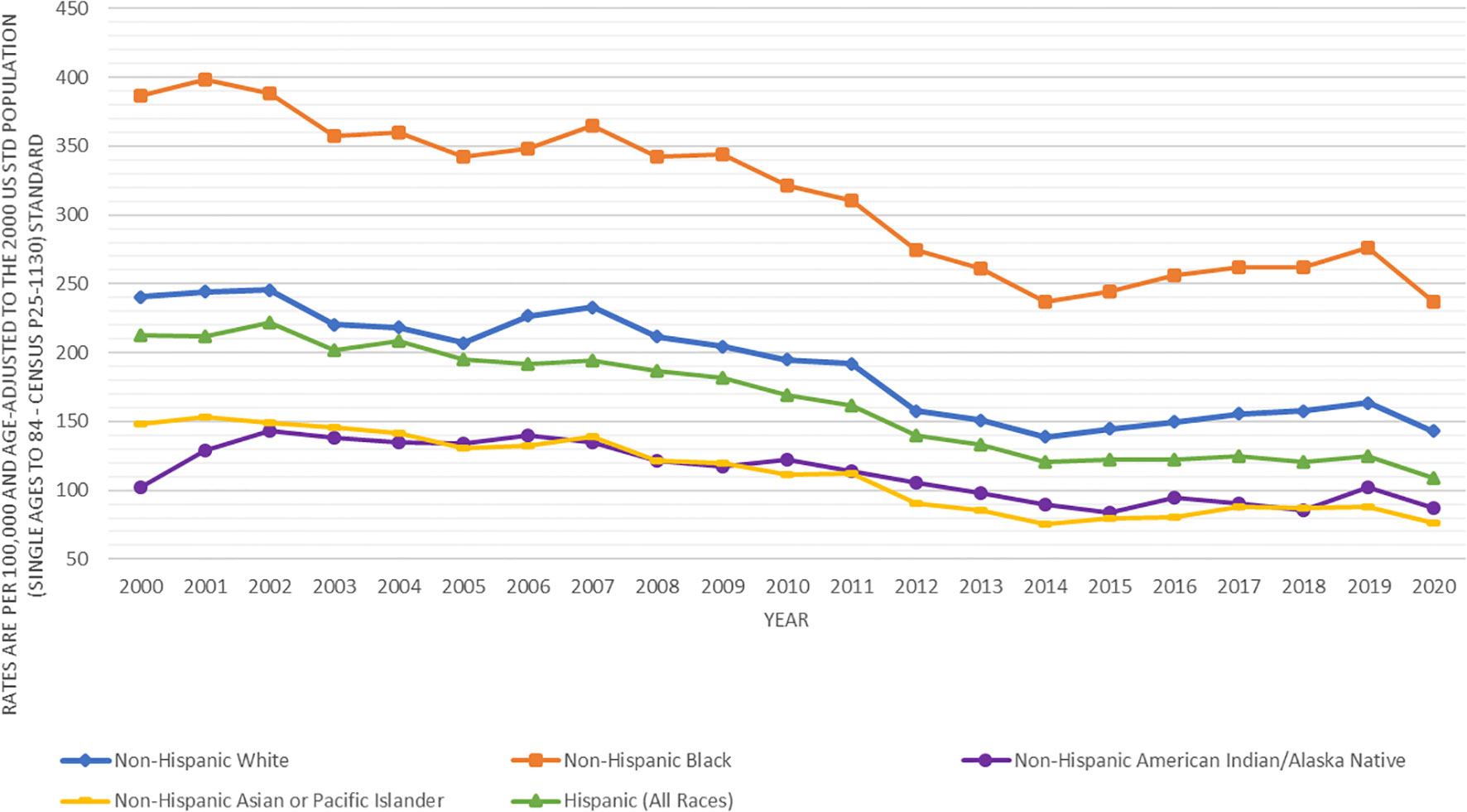
Risk factors: older age (most diagnosed ≥ 65 yrs) (American Cancer Society), race (higher risk in Black men) (American Cancer Society), family history.
-
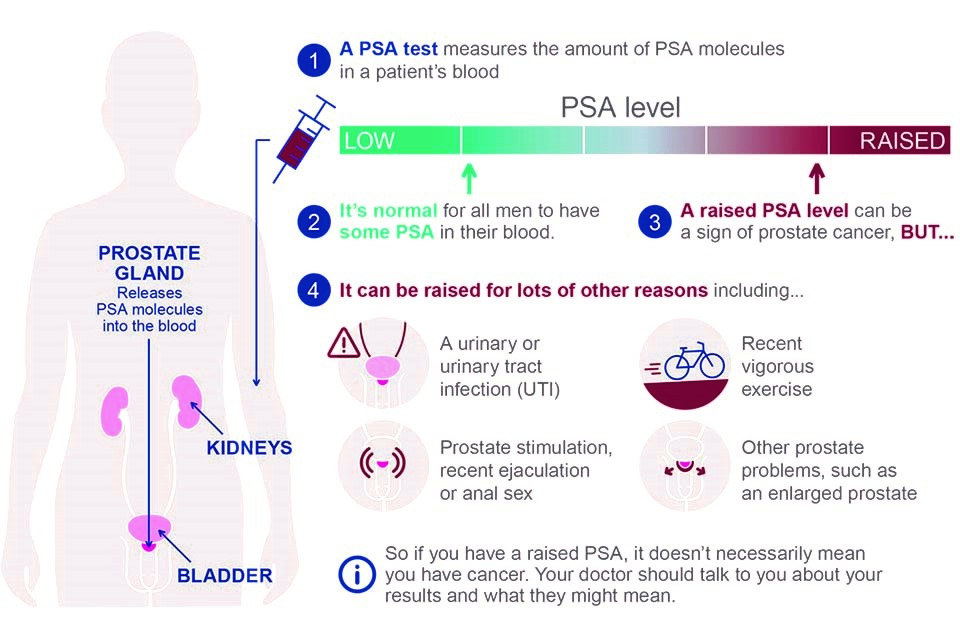
Because it’s so common, screening discussions and individual risk assessment are important.
2. Lung Cancer (including bronchus)

-
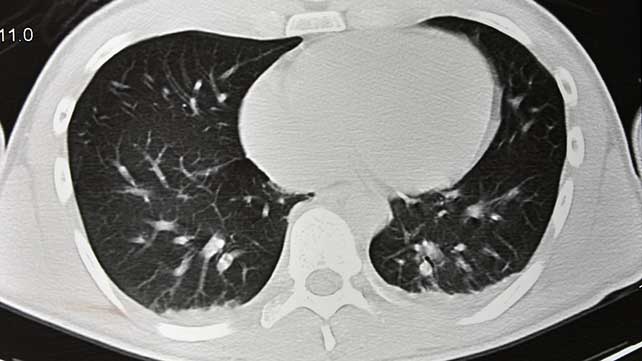
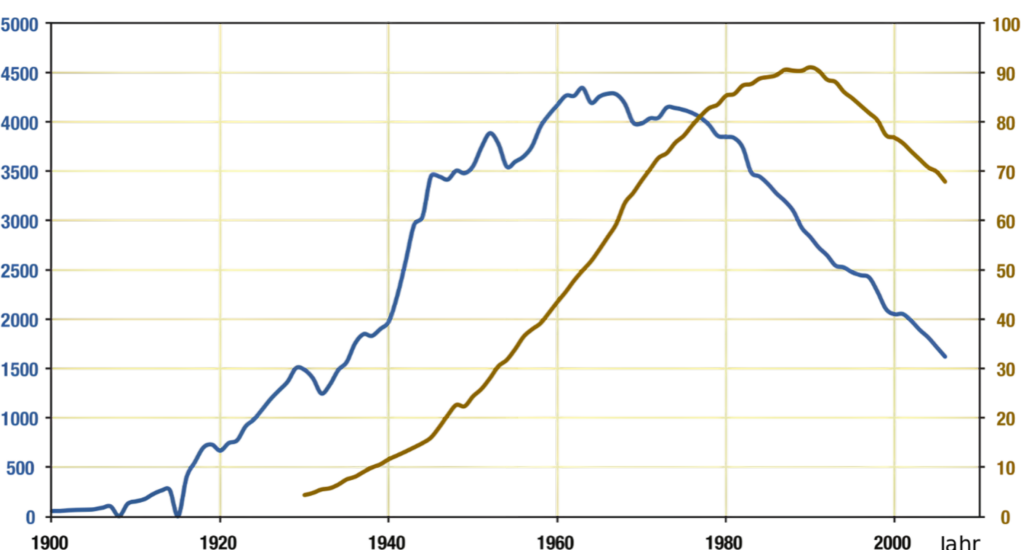
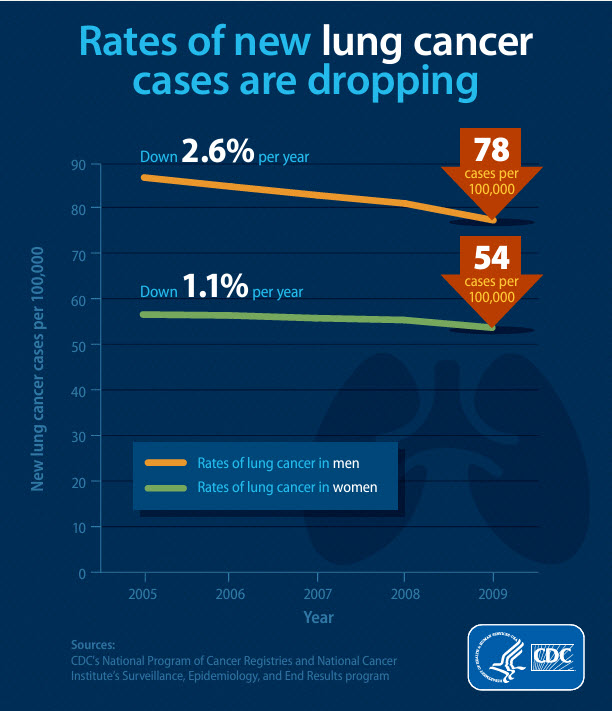
Lung cancer is among the most common cancers in men (often listed second). (American Cancer Society)
-
It is the leading cause of cancer death in U.S. men. (City of Hope Cancer Treatment Centers)
-
Major risk factor: tobacco use (smoking) but also other exposures (radon, occupational).
-
Given its high mortality, even though incidence may be lower than prostate, the impact is large.
3. Colorectal Cancer (colon & rectum)



-
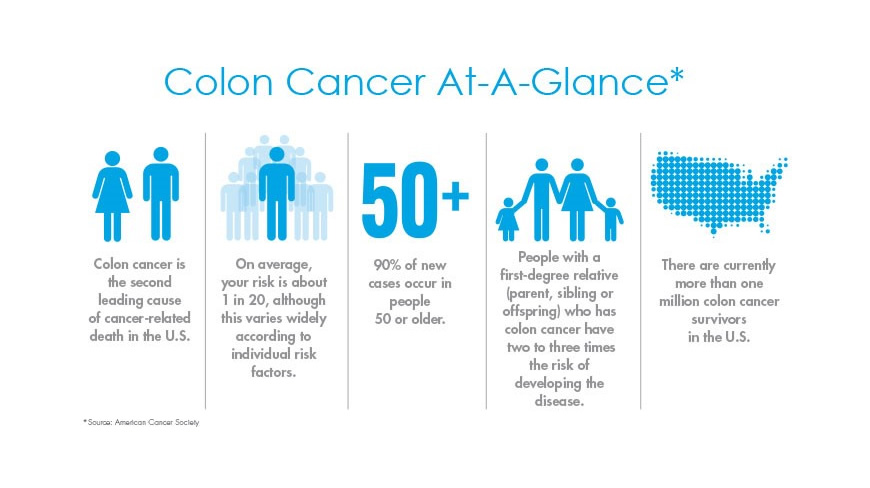
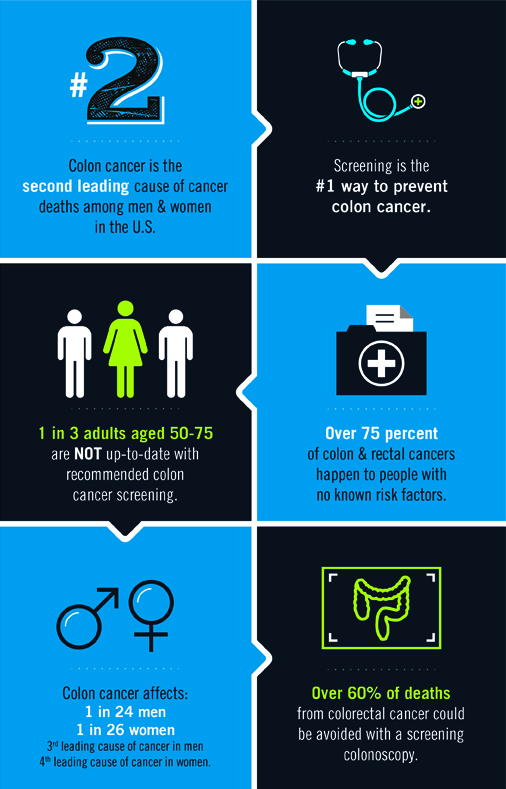
Colorectal cancer is the third most commonly diagnosed cancer in men in the U.S. (after prostate and lung) according to multiple sources. (Verywell Health)
-
It features significantly in cancer mortality and emphasizes the importance of screening (colonoscopy, stool tests).
-
Key risk factors: age (50+ though trending younger), family history, diet, lifestyle (obesity, inactivity), smoking, heavy alcohol use.
Why this matters
-
These three cancers together represent a large share of new diagnoses among men — focusing on prevention, early detection and lifestyle modifications can make a big difference.
-
Because you are interested in healing and wellness, these cancers are areas where early intervention, holistic support, and awareness around screening and risk-factors align well with health encouragement and care.


