
Top 3 Cardiovascular Diseases (CVDs) Affecting Men In The USA
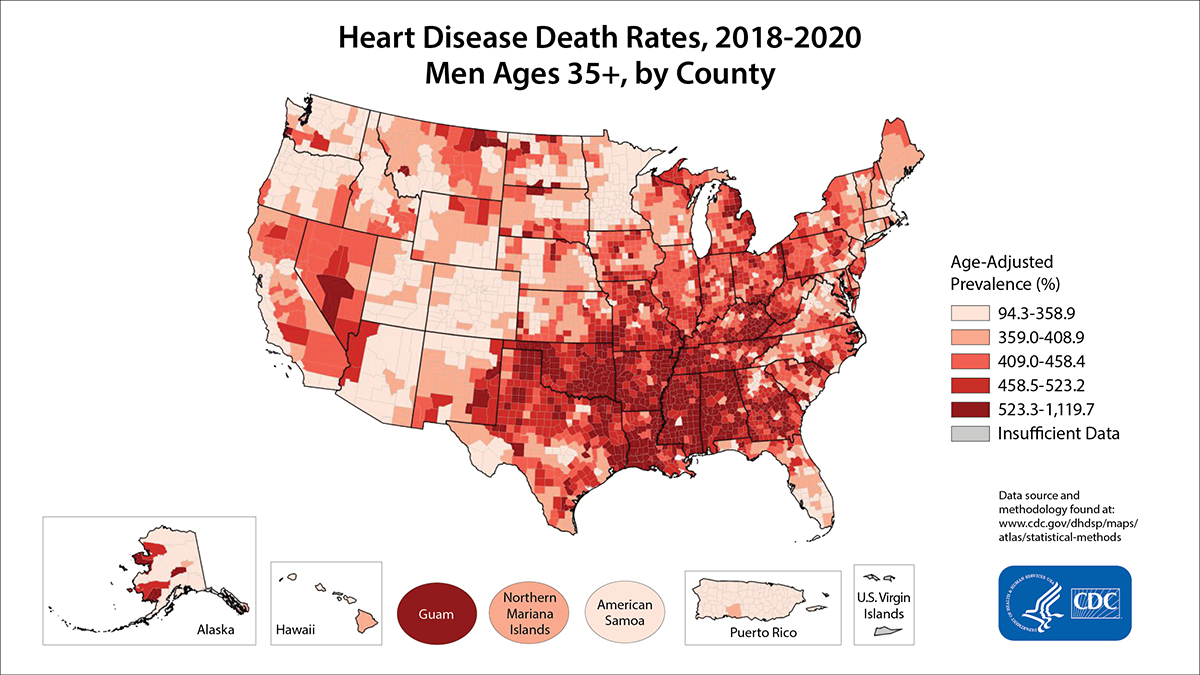
Here are the top 3 cardiovascular diseases (CVDs) affecting men in the U.S. today, ranked from most prevalent to less—along with key stats and concerns.
1. Coronary Heart Disease (also called coronary artery disease or CAD)


What it is
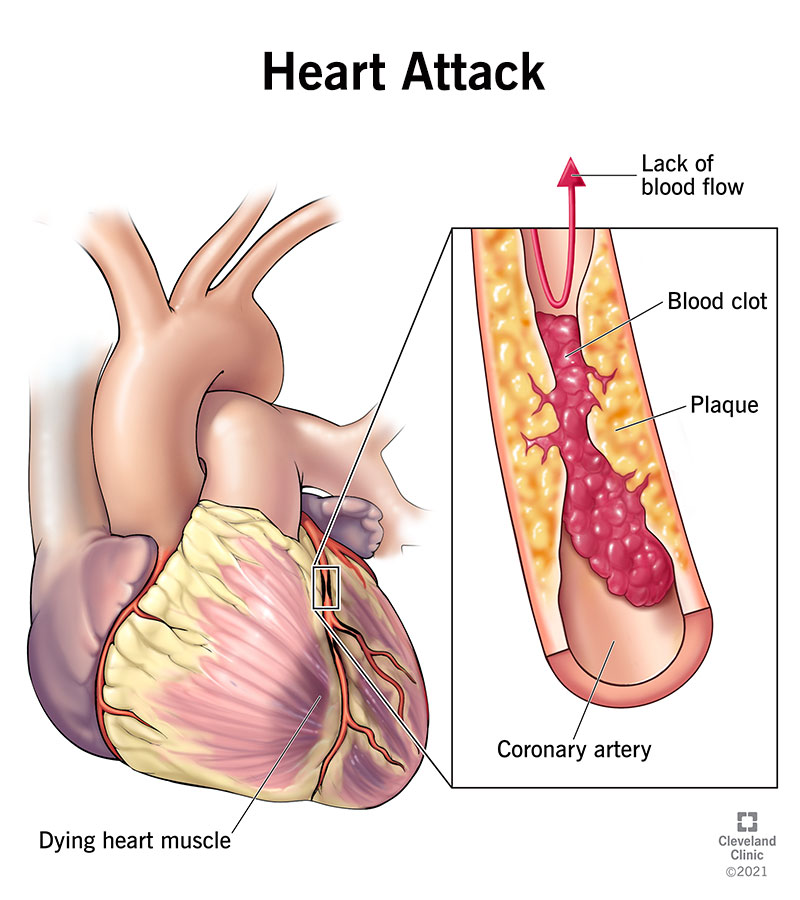
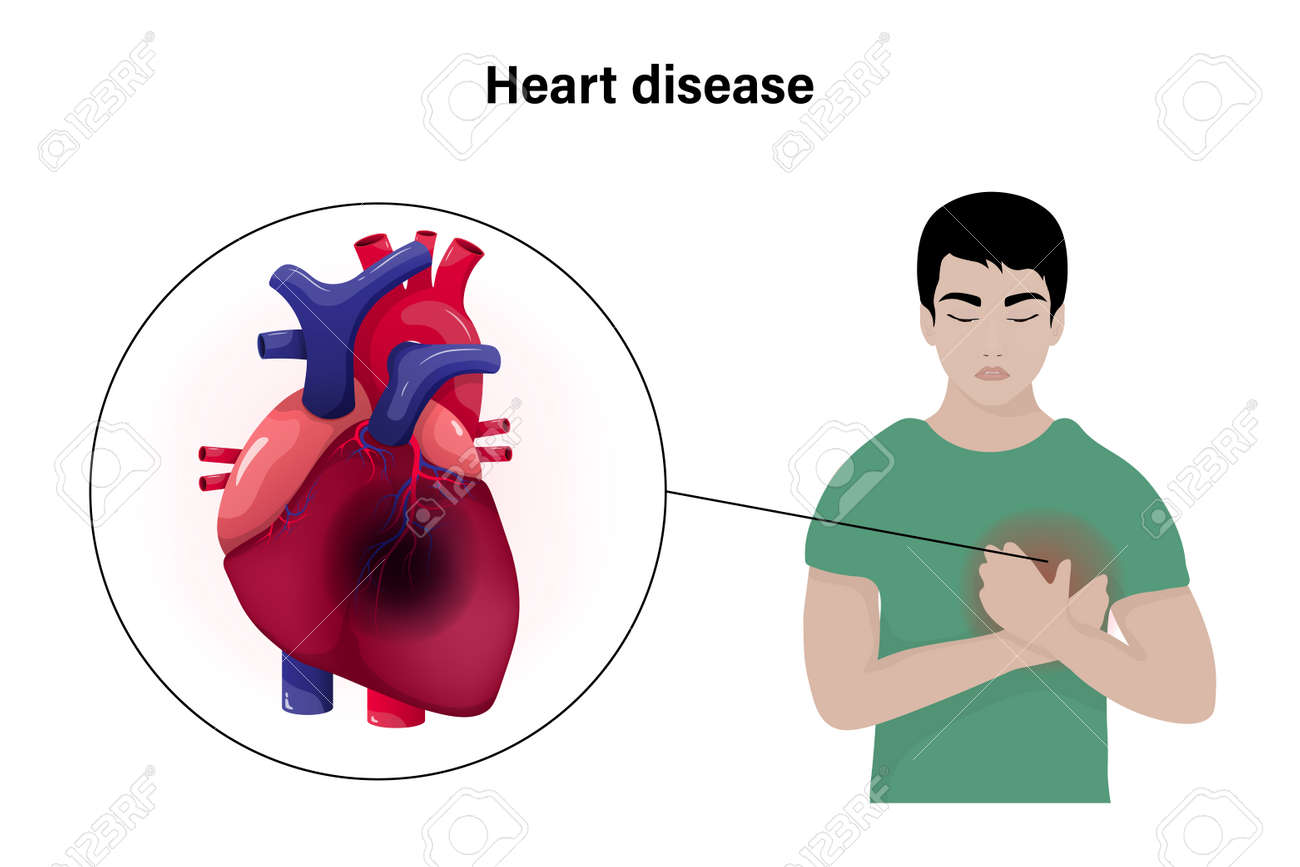
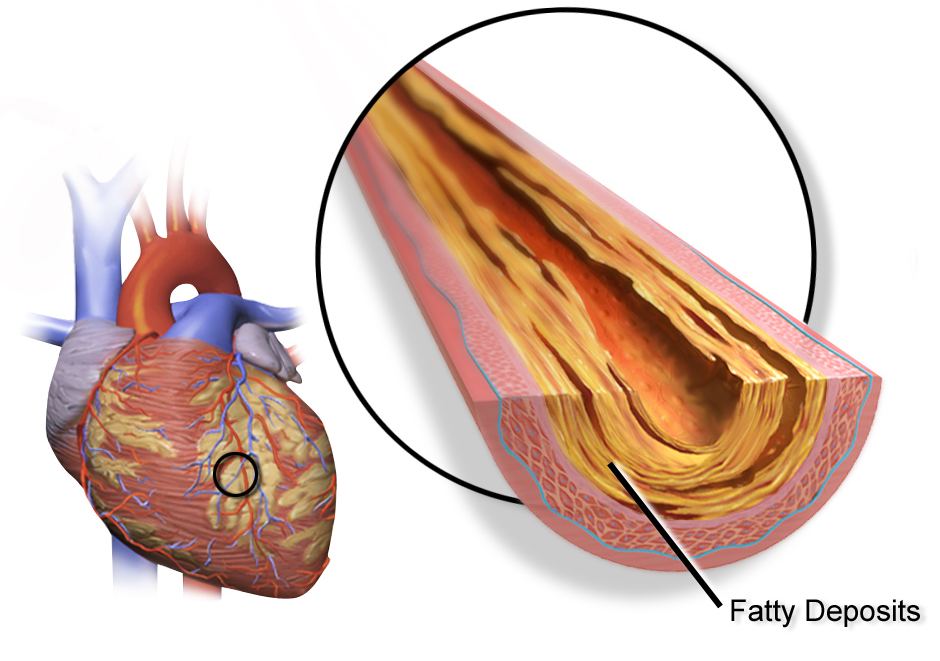
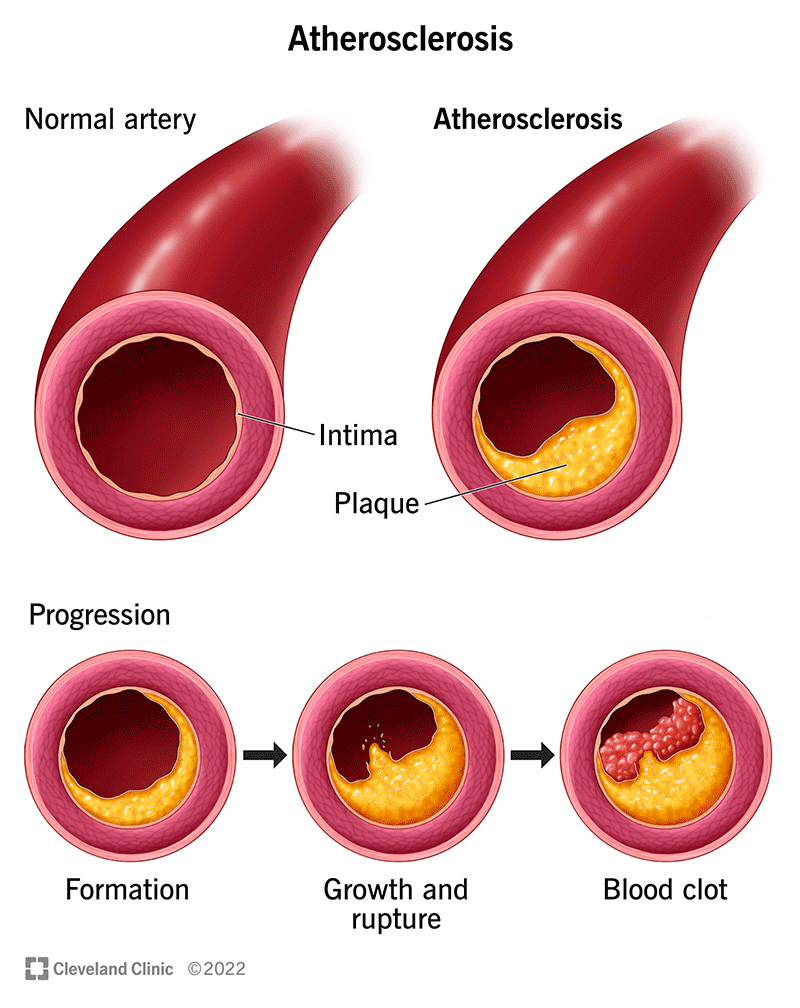
This is disease of the arteries that supply the heart muscle (often due to plaque / atherosclerosis), which can lead to heart attacks, angina, and chronic heart muscle damage.
Prevalence & impact on men
-
It is the most common type of heart disease. (CDC)
-
Among U.S. males 20+ years, ~ 8.7% (≈11.7 million) had CHD between 2017–2020. (professional.heart.org)
-
Among males 20+ years, ~4.5% reported a history of myocardial infarction (heart attack) in the same period. (professional.heart.org)
-
It’s the leading cause of death among men in the U.S. (CDC)
Why it matters for men
Men tend to develop symptomatic coronary disease earlier than women. Risk factors like high blood pressure, high cholesterol, smoking, and obesity are common among men. (Johns Hopkins Medicine)
Key takeaway
Preventive focus on this disease is critical given its high prevalence and mortality burden in men.
2. Heart Failure (HF)
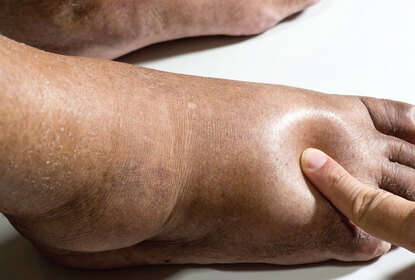

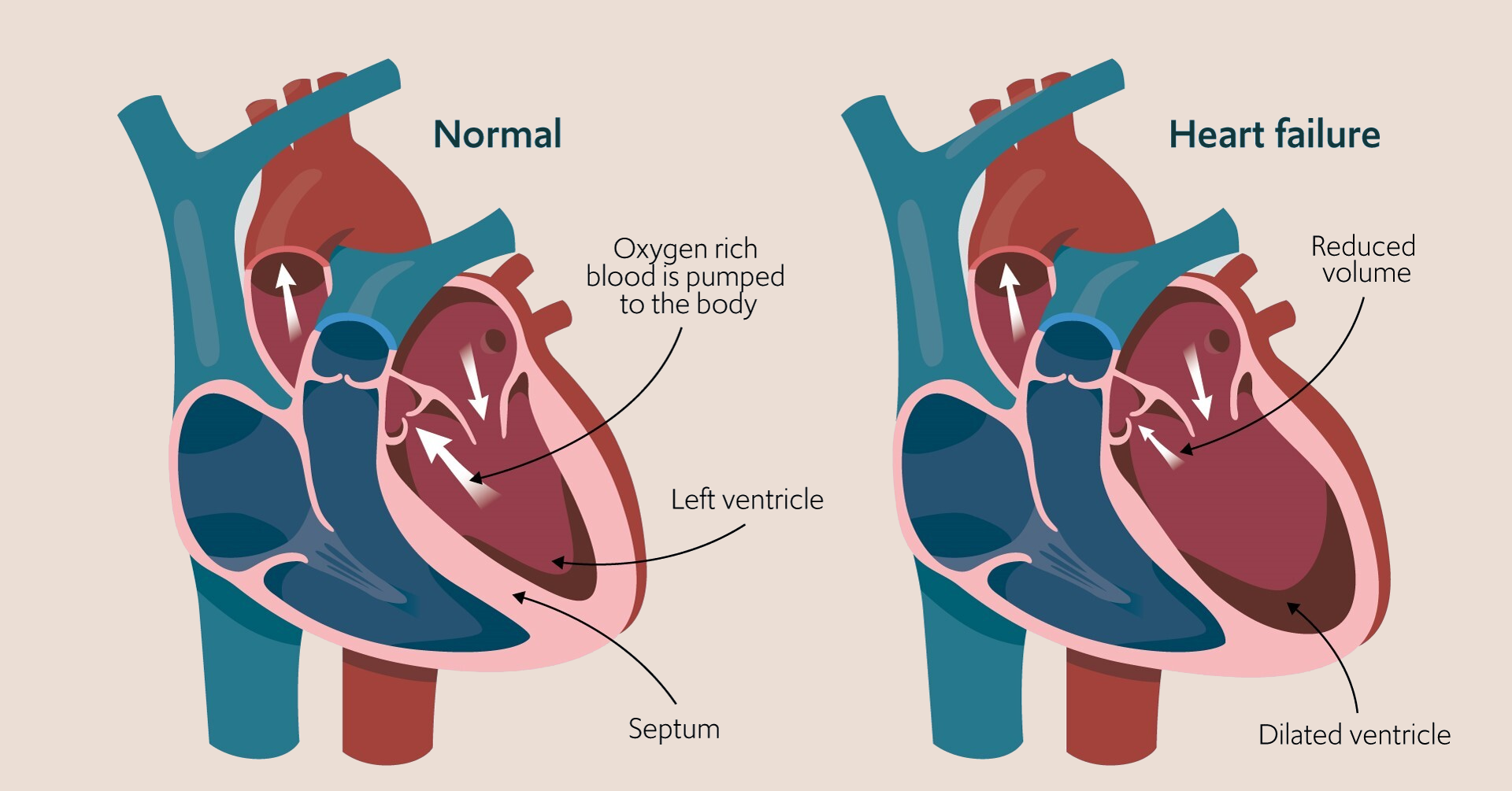
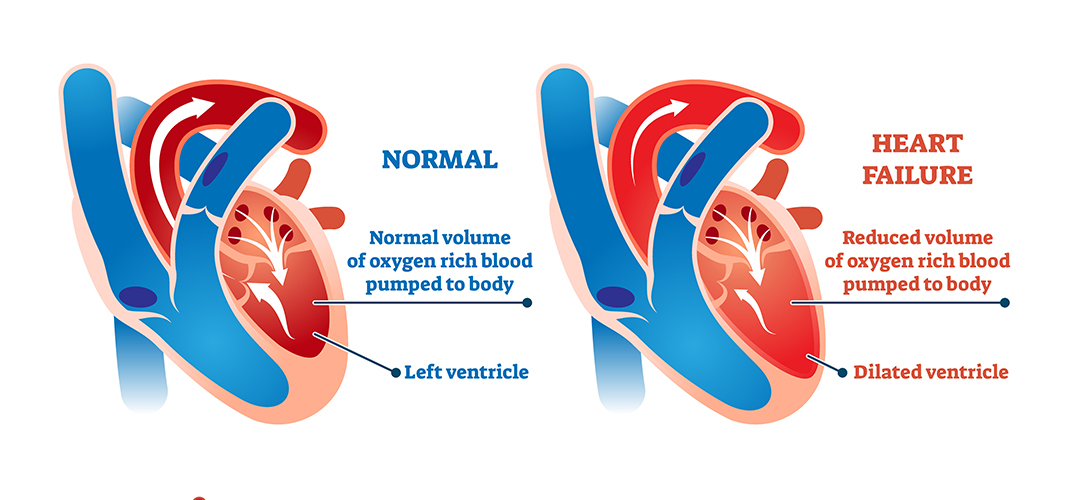
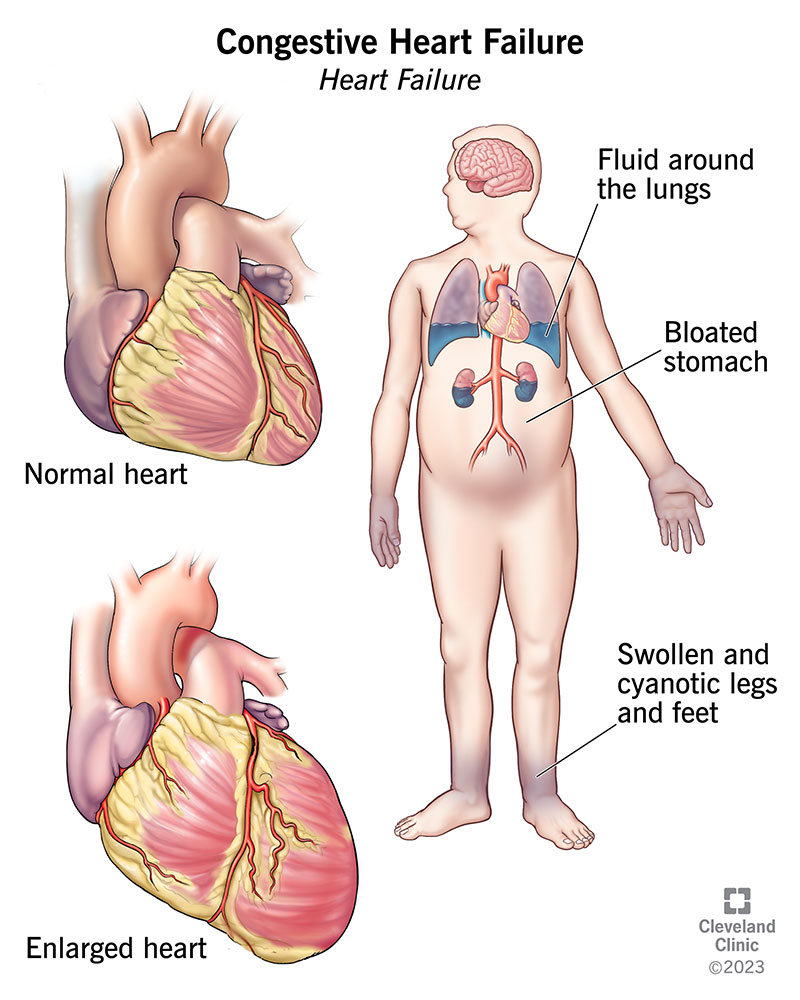
What it is
Heart failure describes a condition where the heart cannot pump or fill sufficiently to meet the body’s needs. It often follows damage from coronary disease, high blood pressure, or other conditions.
Prevalence & impact on men
-
Among U.S. adult males (20+ years), about 2.7% had diagnosed heart failure in 2017–2020. (professional.heart.org)
-
Research projects prevalence rates of heart failure in the U.S. adult population at roughly 2.7 %–3.8 % in coming years. (AHA Journals)
Why it matters for men
Heart failure often results from earlier diseases (like coronary disease) and has significant morbidity (hospitalizations, reduced quality of life) and mortality. Men with heart disease history are at elevated risk.
Key takeaway
While less prevalent than coronary disease, HF is a serious and growing burden in men and an important target for prevention and management.
3. Stroke (cerebrovascular disease)



What it is
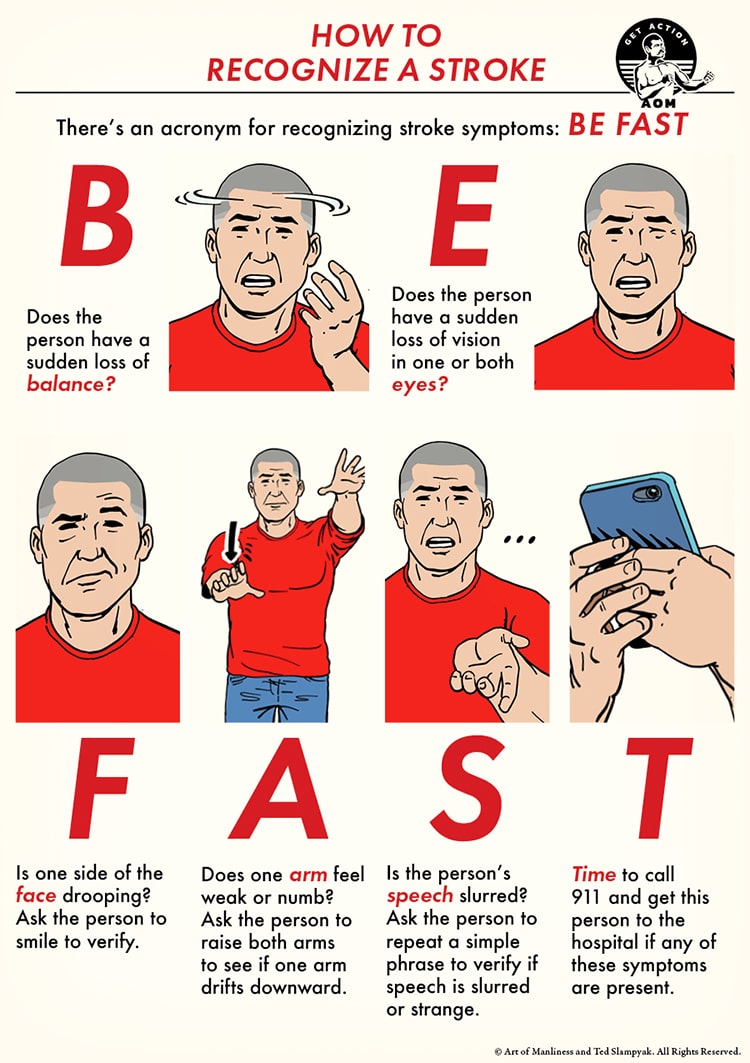
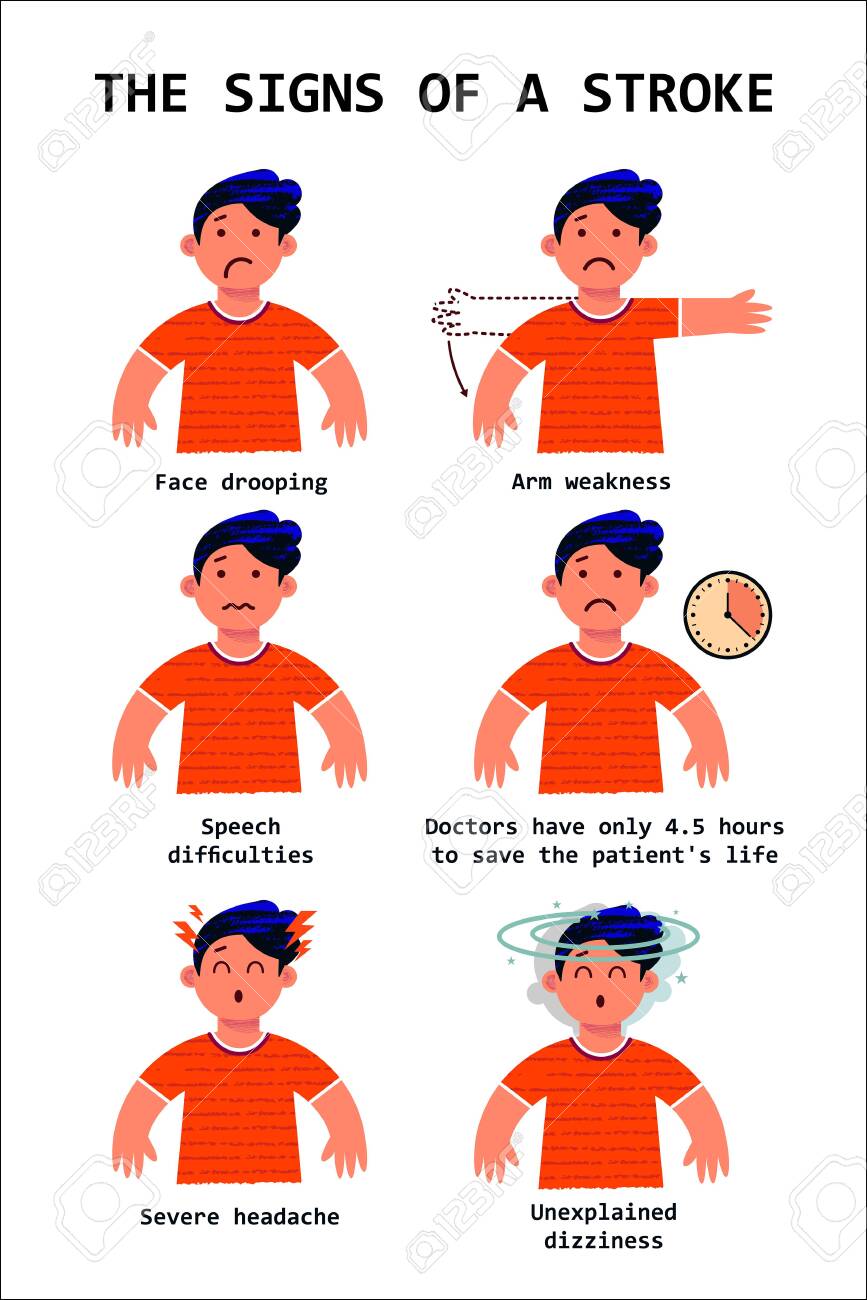
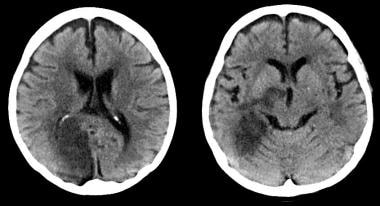
Stroke is when blood flow to part of the brain is interrupted (ischemic stroke) or a blood vessel bursts (hemorrhagic stroke). It falls under cardiovascular disease because it relates to the blood vessels and heart/blood-flow system.
Prevalence & impact on men
-
Among U.S. adult males (20+ years), ~2.9% had experienced a stroke between 2017–2020. (professional.heart.org)
-
Projections suggest stroke prevalence will increase in coming decades among U.S. adults. (PMC)
Why it matters for men
Though less common than the two above, stroke contributes substantially to death, disability, and healthcare burden. Men often have the same risk factors (hypertension, diabetes, smoking) that drive stroke risk.
Key takeaway
Stroke rounds out the top three cardiovascular diseases in men—it’s vital to recognize it as part of the broader CVD risk profile.
Summary Table
| Rank | Disease | Approximate Prevalence in U.S. Men | Remarks |
|---|---|---|---|
| 1 | Coronary Heart Disease (CAD) | ~ 8.7% of adult men (20+) (professional.heart.org) | Most common, leading cause of death in men |
| 2 | Heart Failure (HF) | ~ 2.7% of adult men (20+) (professional.heart.org) | Serious sequela of other heart diseases |
| 3 | Stroke (Cerebrovascular disease) | ~ 2.9% of adult men (20+) (professional.heart.org) | Less prevalent but high impact |
Final thoughts for your context
Given your interest in healing, health, and perhaps faith-based wellness, these cardiovascular diseases highlight key areas where prevention, lifestyle, spiritual encouragement, and holistic care intersect. Men may benefit from:
-
Regular screenings for blood pressure, cholesterol, diabetes
-
Focus on weight management, healthy diet, quitting smoking
-
Awareness that even “silent” conditions (e.g., silent heart attacks) can precede symptomatic disease
-
Emotional/spiritual support systems (since chronic disease often includes psychological and social dimensions)


