Top 3 Autoimmune Diseases Affecting Women In The USA
Here are three of the most common autoimmune diseases affecting women in the U.S., listed in order of relative prevalence and impact. In each case I’ll highlight why they disproportionately affect women, and key notes for each.
1. Rheumatoid Arthritis (RA)
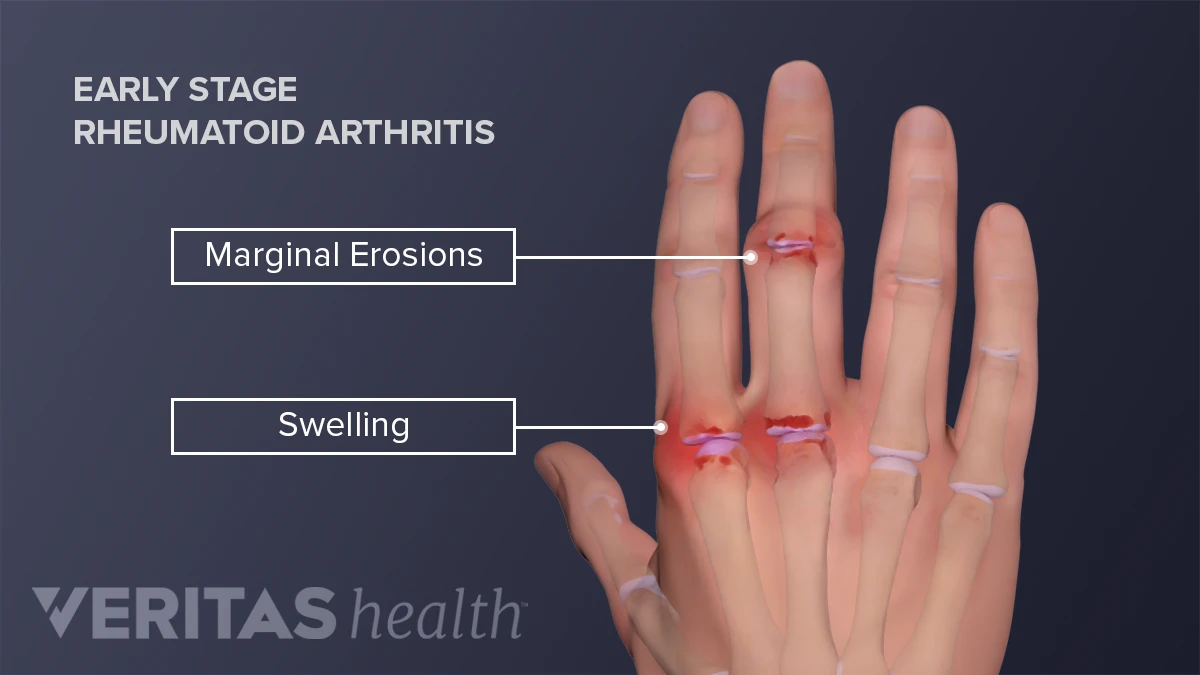
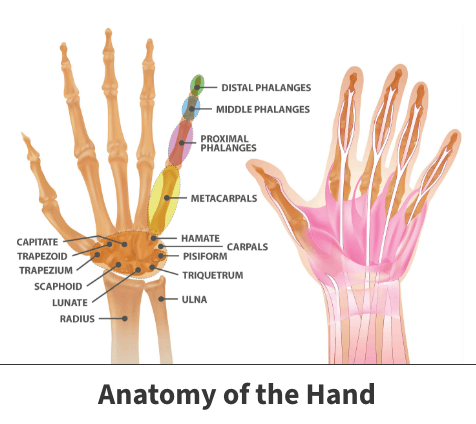


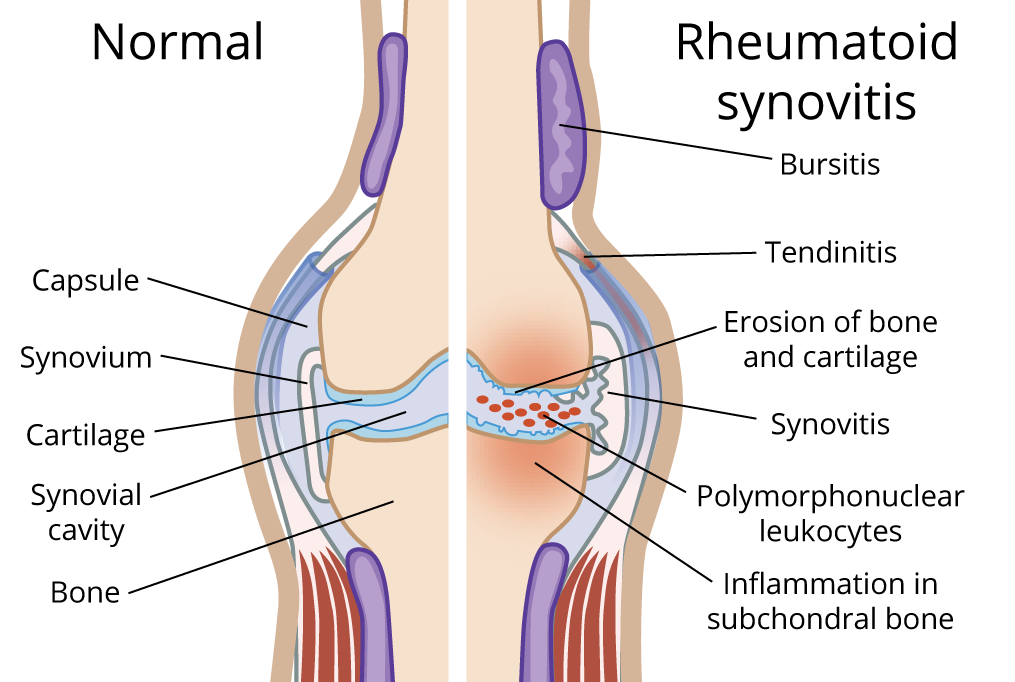
Why first:
-
RA is estimated to affect about 1.3 million to 1.5 million adults in the U.S. — roughly 0.6-1% of the adult population. (PMC)
-
Women are about 2-3 times more likely than men to develop RA. (Yale Medicine)
-
As a systemic autoimmune condition that can affect joints, organs, cardiovascular risk and quality of life, it represents a large burden.
Key features & women‐specific points:
-
RA begins most often between ages ~30-60 in women. (Pfizer)
-
Symptoms include symmetric joint pain/stiffness, especially morning stiffness, systemic inflammation.
-
Women may face additional complications: higher risk of osteoporosis, cardiovascular disease, and possible pregnancy‐related implications.
-
Early diagnosis and aggressive treatment (disease‐modifying antirheumatic drugs, biologics) can reduce damage.
2. Systemic Lupus Erythematosus (SLE)

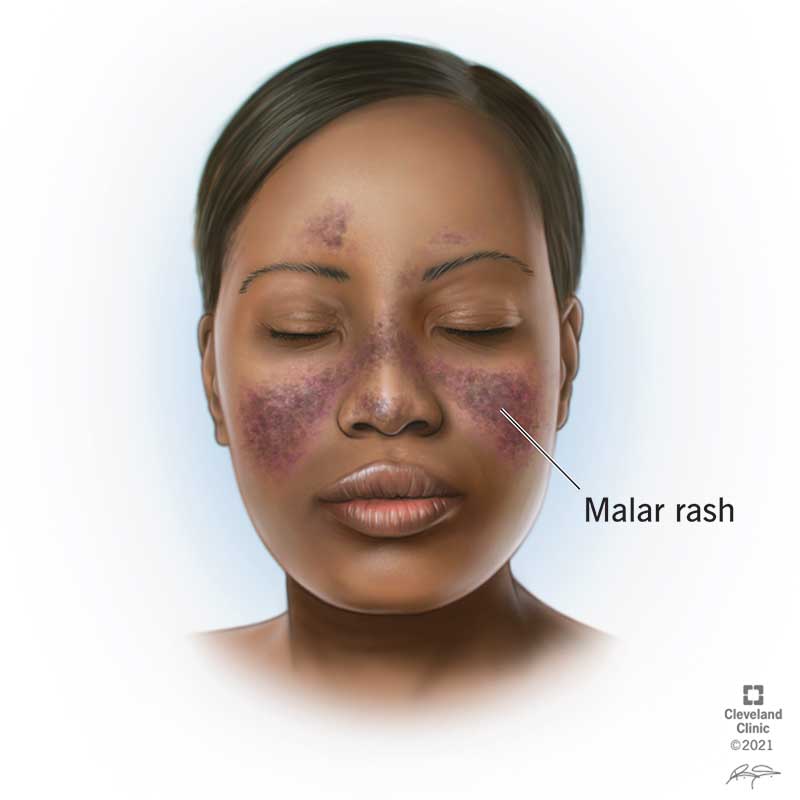


Why second:
-
Although exact prevalence estimates vary, the Centers for Disease Control and Prevention (CDC) notes ~204,000 diagnosed people in the U.S., of whom about 184,000 are female. (CDC)
-
Women represent approximately 90% of individuals diagnosed with SLE in the U.S. (Lupus Foundation of America)
-
SLE often has early onset (15-44 years) in women of childbearing age, which increases its public-health significance. (Lupus Foundation of America)
Key features & women-specific points:
-
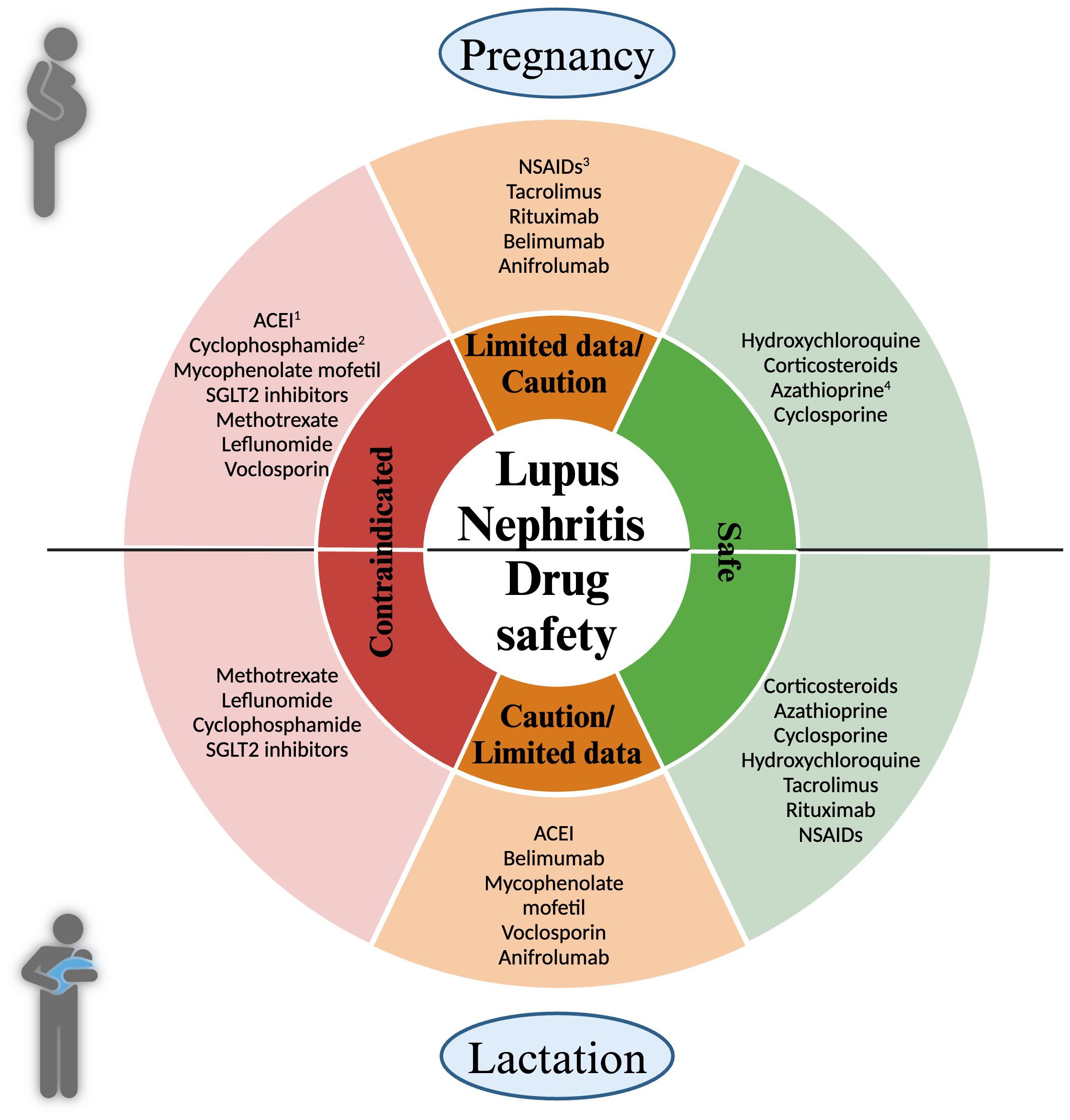
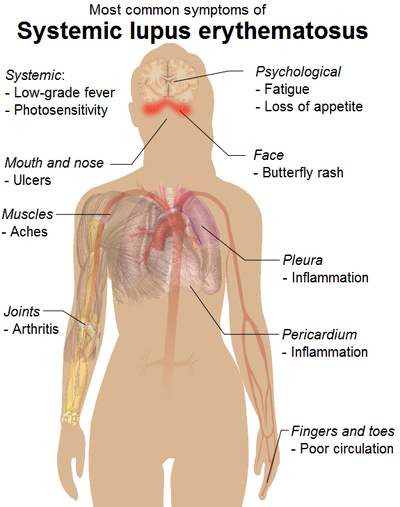
SLE is systemic — it can affect skin, joints, kidneys, brain, blood vessels.
-
Women of certain racial/ethnic groups (for example, Black, Hispanic, Asian, American Indian/Alaska Native) may have higher incidence or more severe disease. (Arthritis Foundation)
-
Given onset often in younger women, issues of pregnancy, fertility, and long‐term organ damage are relevant.
-
Management requires immunosuppression, monitoring of organ systems, and coordination across specialties.
3. Sjögren’s Syndrome

Why third:
-
Sjögren’s syndrome is frequently cited among the most common rheumatic autoimmune conditions behind RA and SLE. (Wikipedia)
-
It disproportionately affects women — estimates suggest nearly 9 out of 10 people with Sjögren’s are female. (Wikipedia)
-
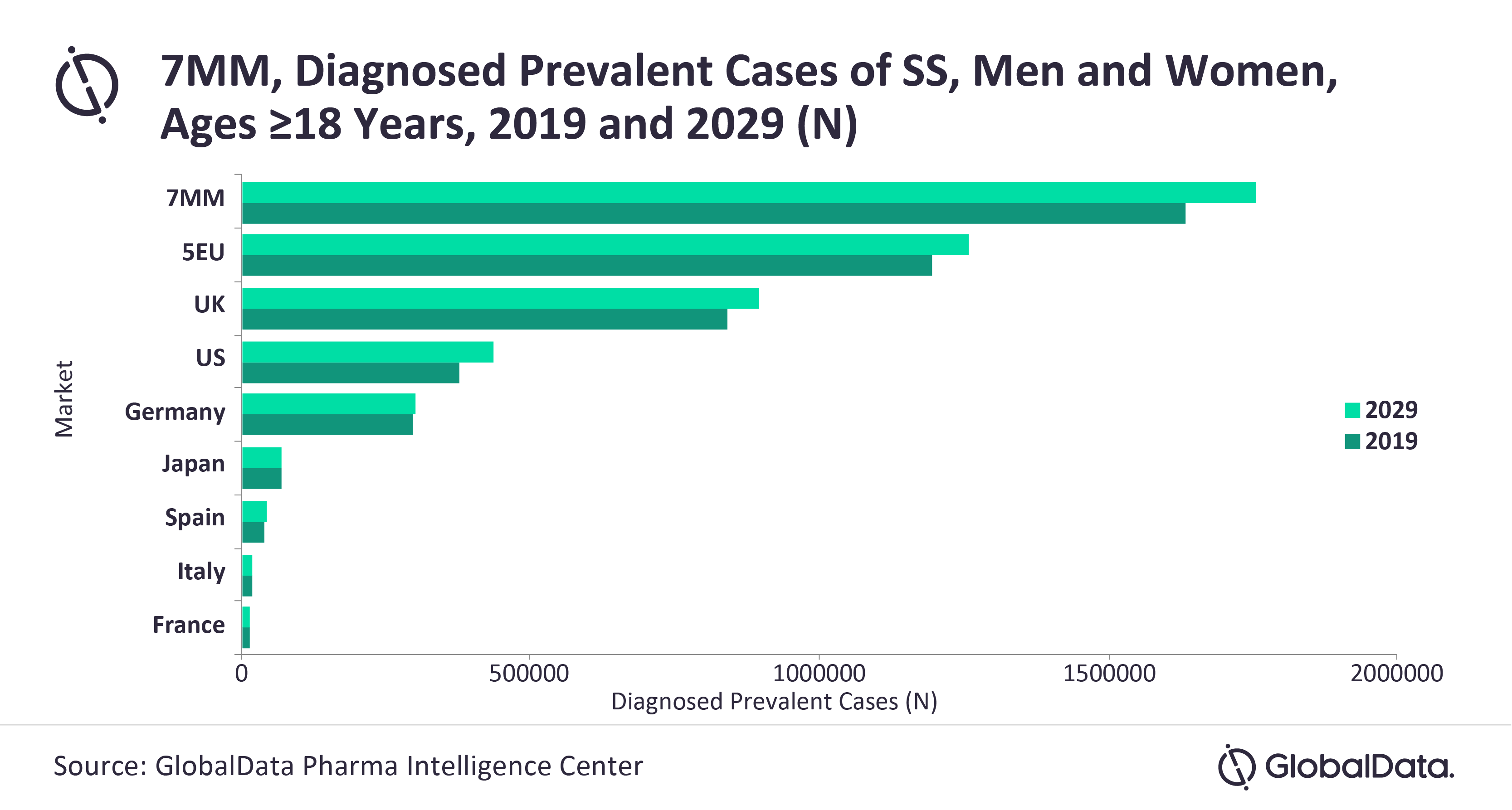
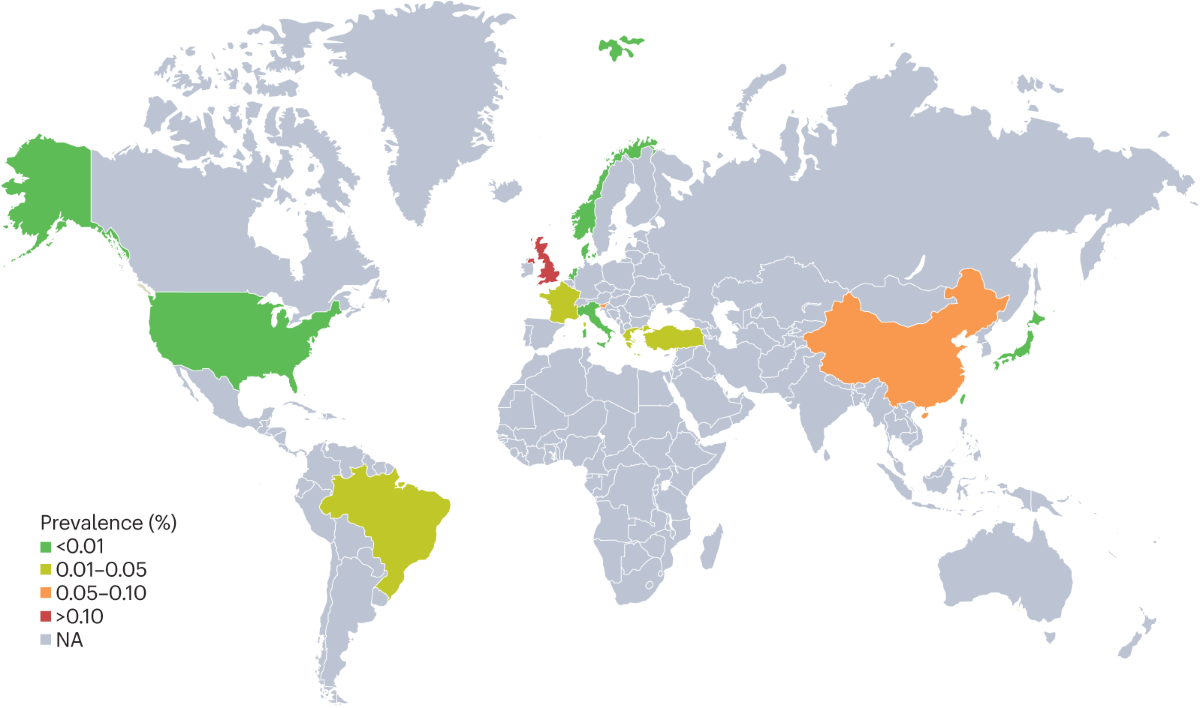
Although prevalence numbers vary widely (some reports indicate 0.2-1.2% or up to ~3% depending on criteria) it remains a significant burden especially in middle-aged women. (Wikipedia)
Key features & women-specific points:
-
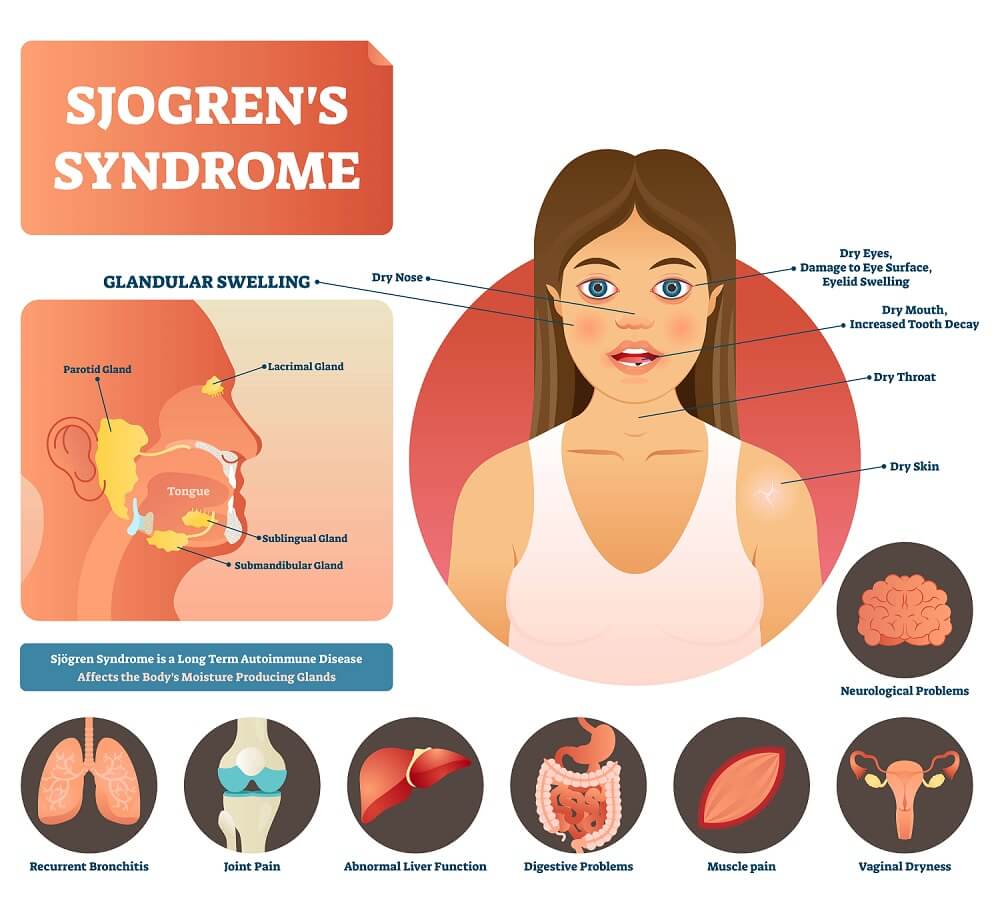
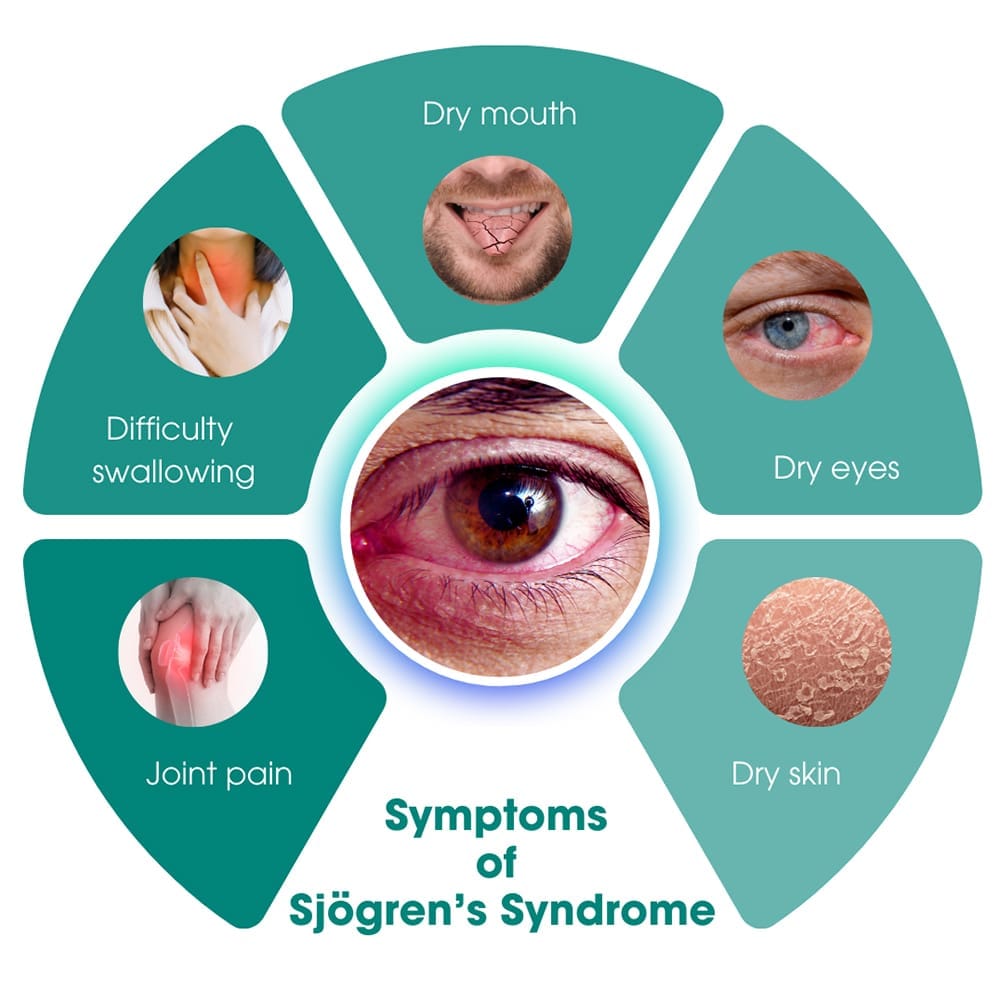
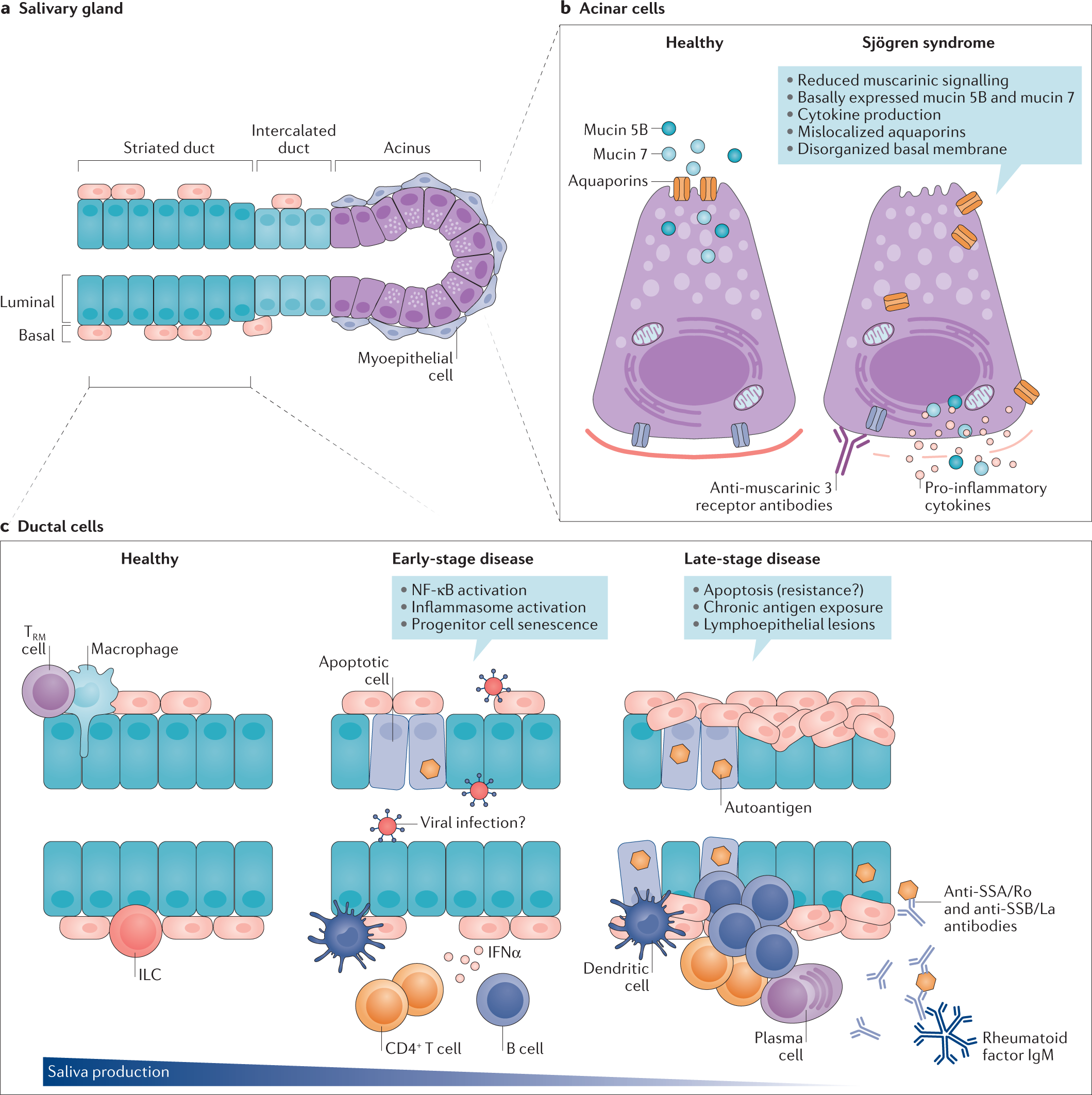
Characterized by autoimmune attack on exocrine glands — leading to dry eyes (keratoconjunctivitis sicca), dry mouth (xerostomia) — but also systemic features (fatigue, joint pain, lung/kidney involvement).
-
Onset often in ages ~40-60. (PMC)
-
Women may experience misdiagnosis (symptoms attributed to menopause or other causes) given overlap with midlife changes.
-
Management includes symptomatic relief (lubricants, eye drops), immunomodulation, and monitoring for complications (e.g., lymphoma risk).
Summary Table
| Rank | Autoimmune Disease | Approximate U.S. Prevalence* | Female Predominance |
|---|---|---|---|
| 1 | Rheumatoid Arthritis (RA) | ~1.3-1.5 million adults in U.S. (~0.6-1%) (PMC) | ~2-3× more common in women (Yale Medicine) |
| 2 | Systemic Lupus Erythematosus (SLE) | ~200,000+ diagnosed (likely undercount) (CDC) | ~90% of diagnosed are women |
| 3 | Sjögren’s Syndrome | Prevalence estimates vary (0.2-3%) | ~9 out of 10 or greater are women |
*Estimates vary by source; many autoimmune diseases have under-diagnosis or varying criteria.
Why these matter for women’s health
-
Autoimmune diseases disproportionately affect women — roughly 80% of people living with autoimmune conditions are female. (ORWH)
-
Many autoimmune diseases begin or worsen during reproductive years or during hormonal transitions (pregnancy, menopause) — making them especially relevant for women’s health & life planning.
-
These diseases often create long-term burdens: chronic pain/fatigue, organ damage, increased risk of comorbidities (including cardiovascular disease) and impacts on quality of life. For instance, women with autoimmune diseases may face higher cardiovascular risk. (www.heart.org)
-
Early recognition, gender‐sensitive care (including considering pregnancy/fertility implications), and coordinated management are crucial.


