
Top 3 Diseases Affecting Women In The USA
Here are three of the top diseases affecting women in the United States today, listed starting with the most prevalent in terms of death burden and overall impact:
1. Cardiovascular Disease (Heart disease)



-
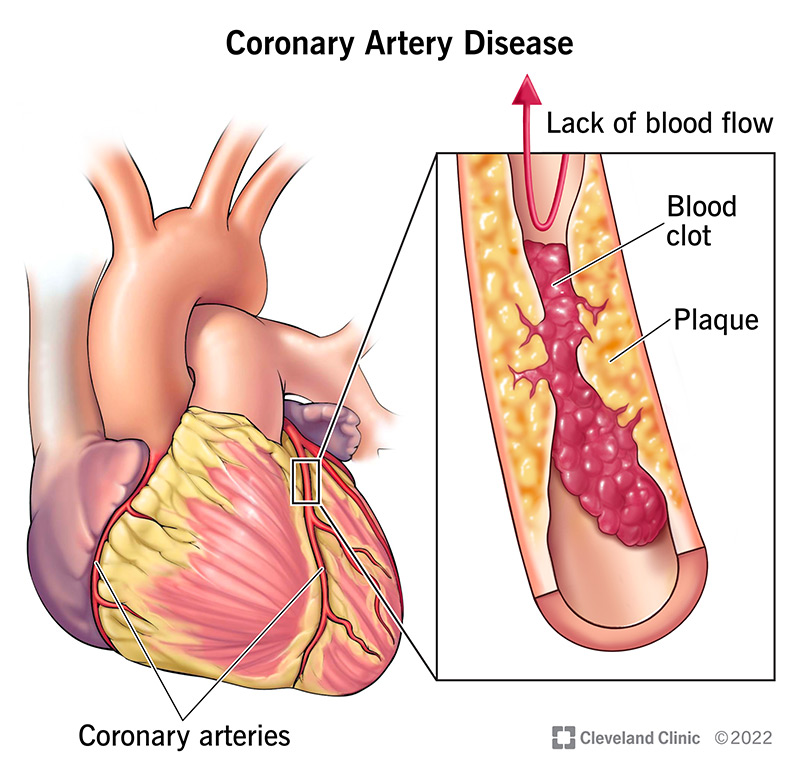
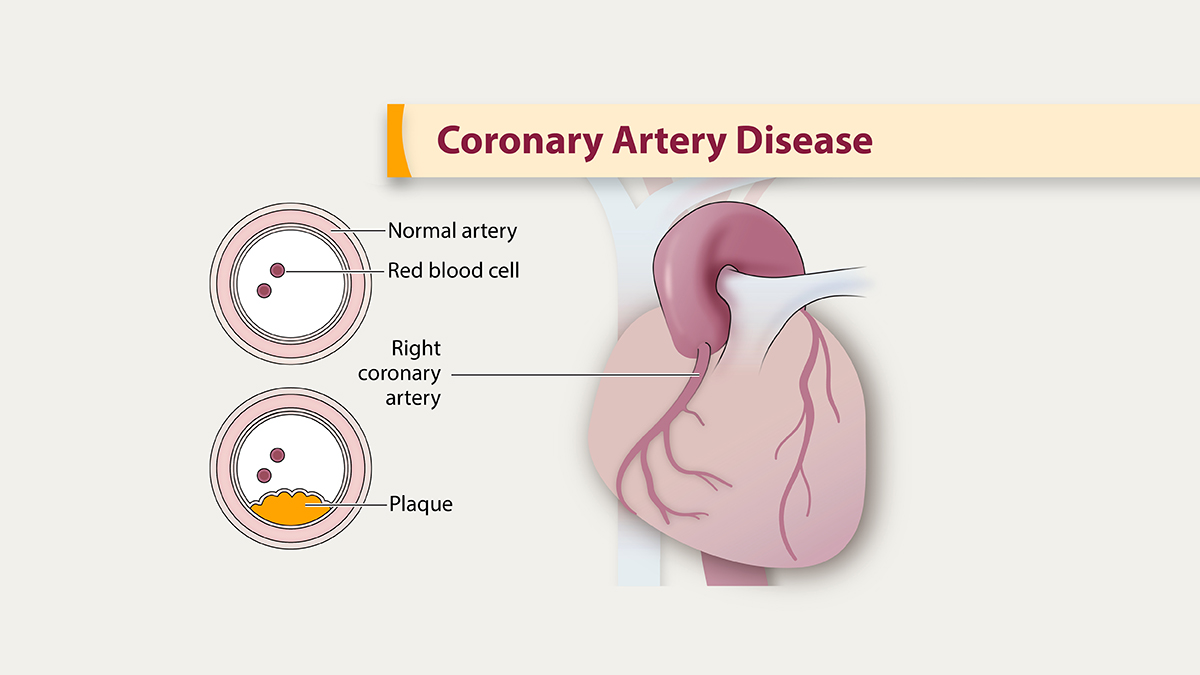
The Coronary heart disease (a major form of cardiovascular disease) is the leading cause of death for women in the U.S. (CDC)
-
There are estimated to be over 60 million women (about 44% of U.S. women) living with some form of heart disease. (CDC)
-
Risk factors especially relevant to women include: hormonal changes (e.g., menopause), pregnancy‐related complications (like preeclampsia or gestational diabetes), and conditions like Coronary microvascular disease, which are more common in women. (NHLBI, NIH)
-
Because of its prevalence and mortality impact, heart disease rightly sits at the top of the list.
2. Cancer


-
Cancer (in general) is the second leading cause of death for women in the U.S. (CDC)
-
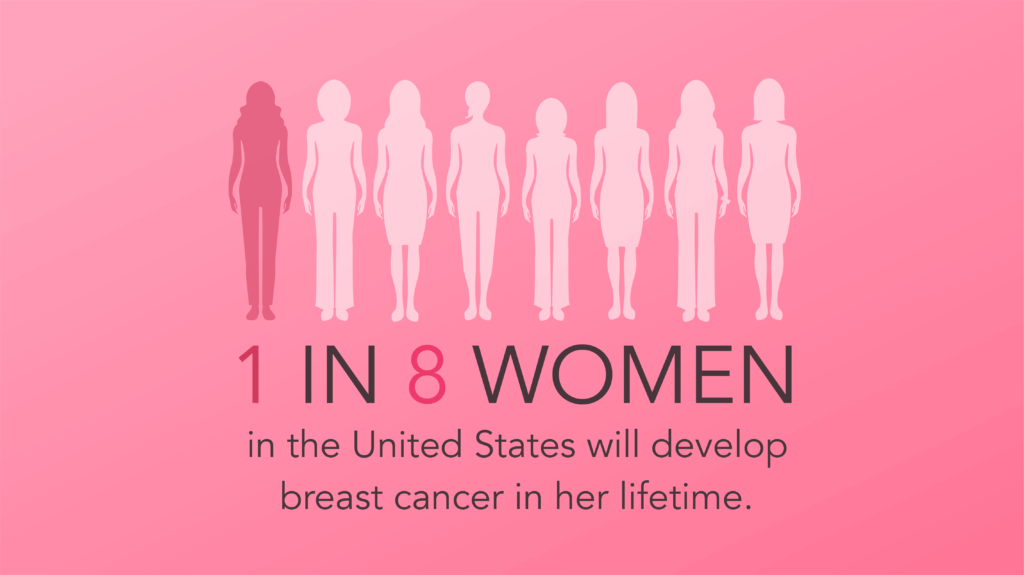
For example, the Breast cancer alone is the most common cancer in U.S. women (excluding skin cancer) and about 1 in 8 women will be diagnosed with invasive breast cancer in her lifetime. (American Cancer Society)
-
While breast cancer is prominent, other cancers (lung, colorectal, etc.) also contribute significantly to women’s health burden.
-
Because “cancer” is a broad category rather than one single disease, it sits just below cardiovascular disease in this ranking.
3. Chronic Mental Health Conditions & Disability (including Depression / Anxiety)



-
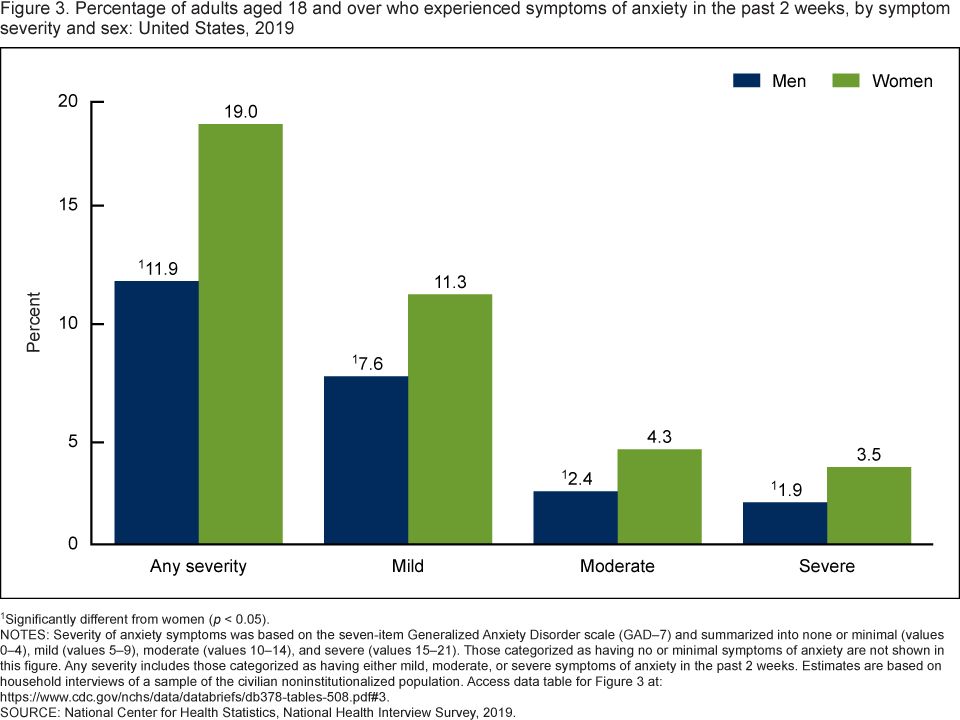
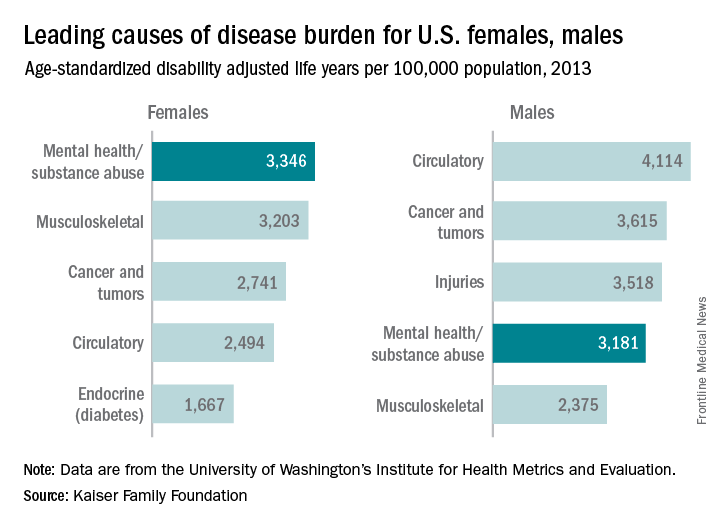
While this category may not always show up as the top “cause of death,” it is a major contributor to disability and quality-of-life burden among women. (NCBI)
-
For example, in analyses of disability-adjusted life years (DALYs) and years lived with disability (YLDs), mental health and substance use disorders are among the most common disease categories for women. (NCBI)
-
This category is especially important because some of the chronic conditions with high morbidity (though lower mortality) are overlooked in women’s health. (PMC)
-
Given the pervasive impact on women’s functioning, it merits inclusion as the third major disease burden category for U.S. women.
A Few Caveats & Notes
-
These categories are ranked based on prevalence, mortality, and overall burden (not necessarily only incidence).
-
Some other conditions also disproportionately impact women (for example, Autoimmune diseases—which affect about 75% women) but they may not rank as high for overall population‐level mortality or total burden. (AdventHealth)
-
Age, race/ethnicity, socioeconomic status and other factors matter a great deal in these outcomes.
-
“Disease burden” includes both death and disability—so some high‐impact but lower‐mortality conditions are captured by broader categories (like mental health/disability).


