
Top 3 Cardiovascular Diseases Affecting Women In The USA
Here are three of the most prevalent cardiovascular diseases affecting women in the U.S. today, ranked from most to less prevalent — with notes on why they matter especially for women.
1. Coronary artery disease (CAD) / Coronary heart disease
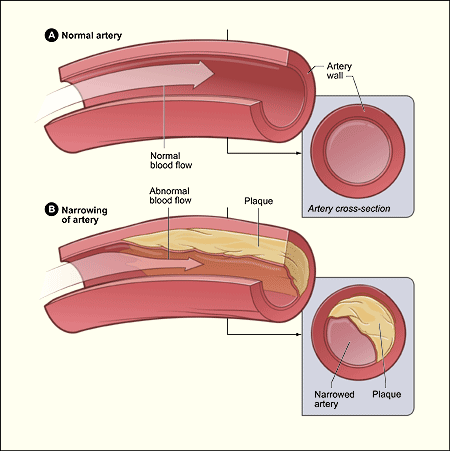
Why it’s first:
-
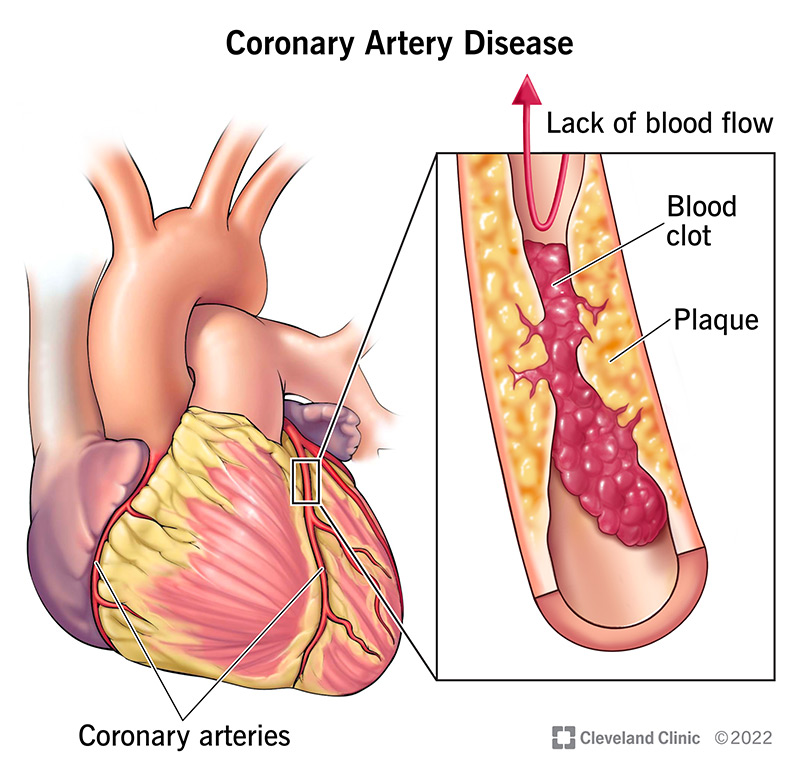
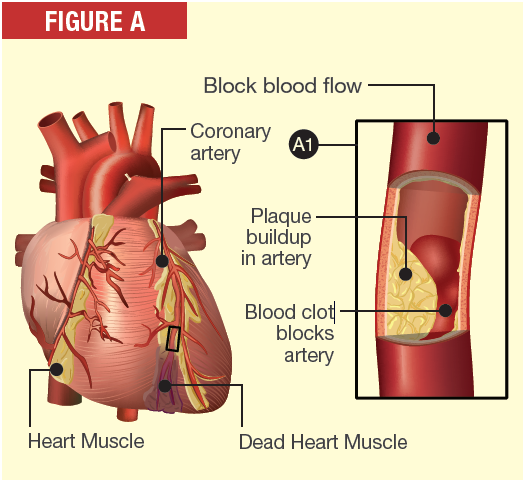
This is the most common form of heart disease, described as “plaque in the walls of the arteries that supply blood to your heart and other parts of your body.” (CDC)
-
According to the Centers for Disease Control and Prevention (CDC), over 60 million U.S. women (about 44%) are living with some form of heart disease. (CDC)
-
Specifically, the NIH states that coronary heart disease is the leading cause of death for women. (NHLBI, NIH)
-
Risk increases with age and especially after menopause and when women have certain risk-factors (high blood pressure, diabetes, etc.). (NHLBI, NIH)
-
Because it is common, fatal, and often under‐recognized in women (symptoms can differ), it stands as the top cardiovascular disease among women.
Key risk & women-specific issues:
-
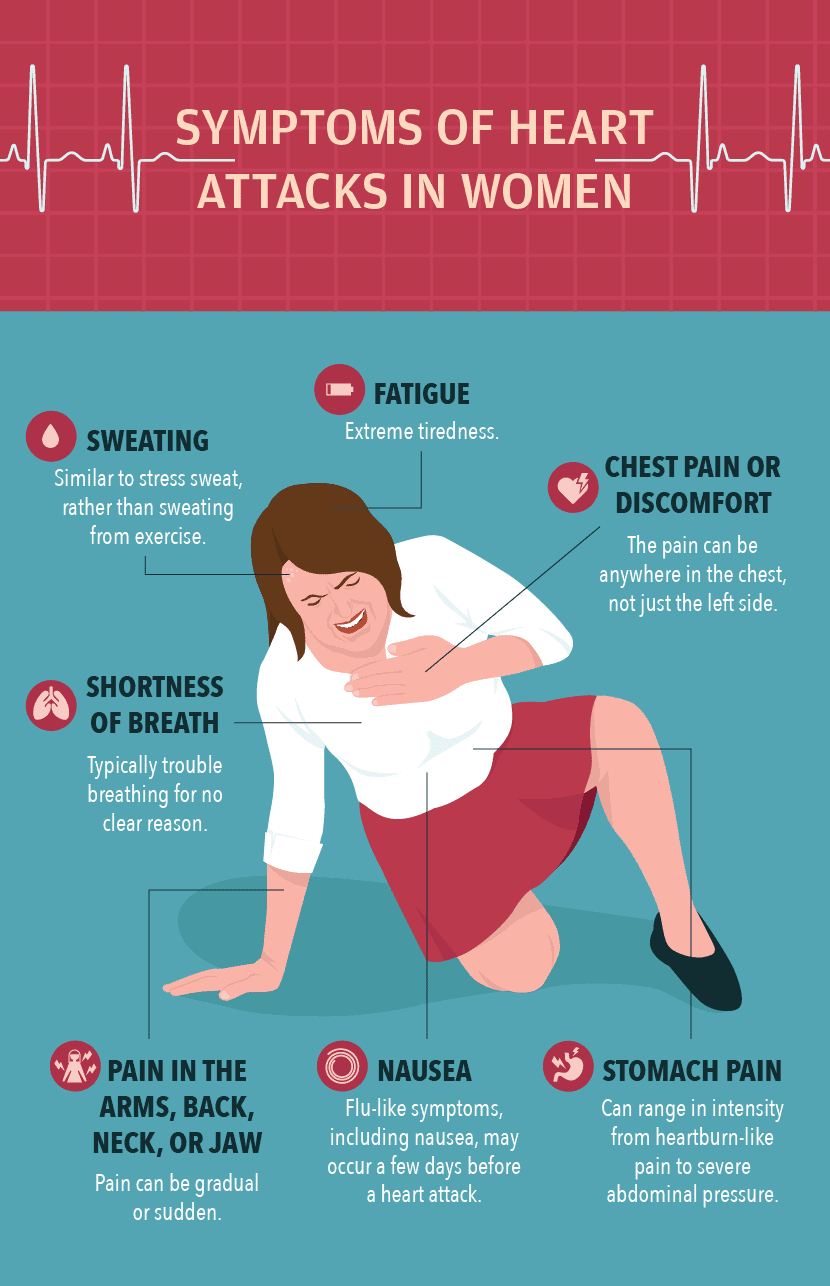
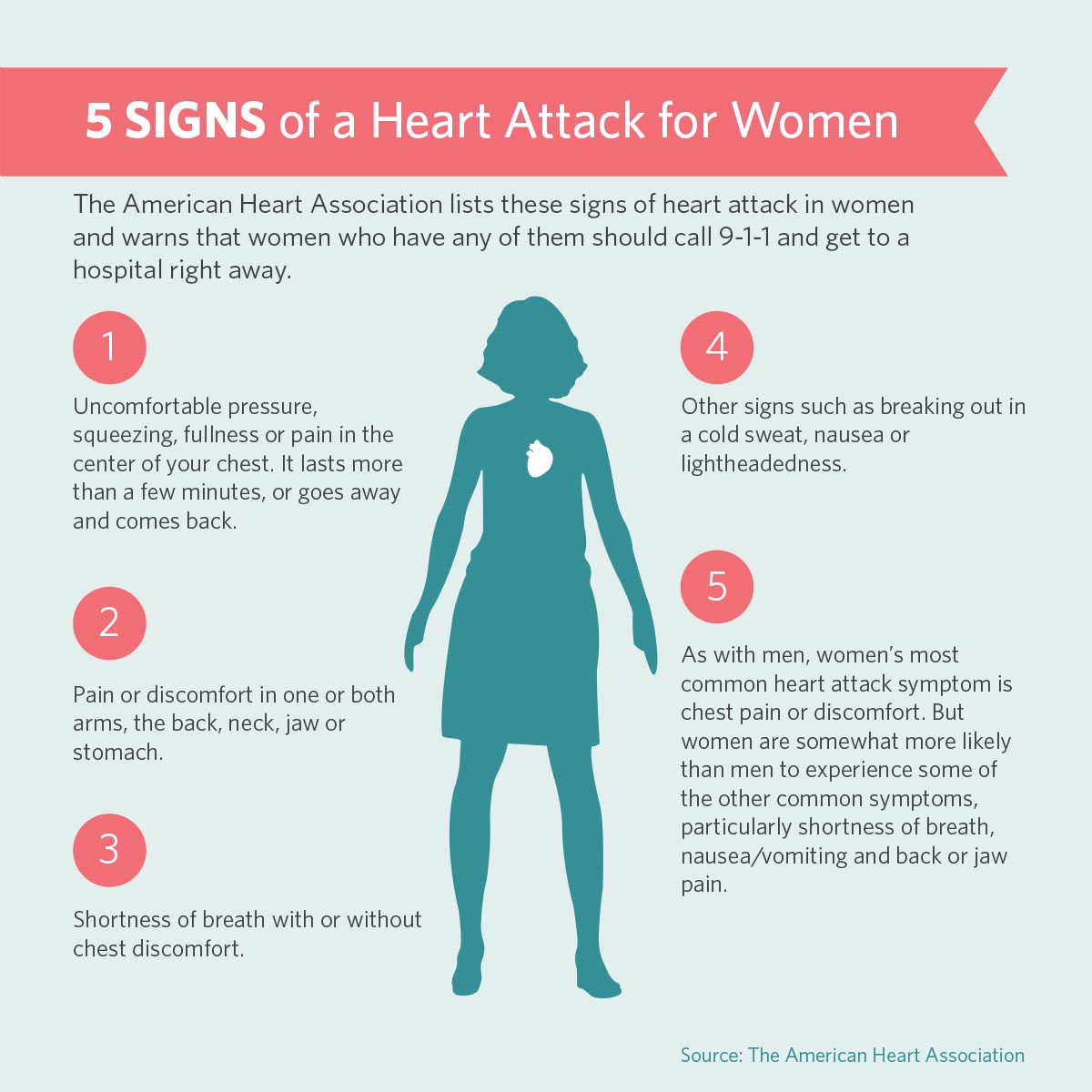
Women are more likely to have non-typical symptoms (jaw/neck/back pain, nausea) rather than classic chest pain. (CDC)
-
Some unique risk-factors: pregnancy complications (e.g., preeclampsia), menopause/hormone changes. (NHLBI, NIH)
-
Under-diagnosis and under-treatment in women remain issues. (PMC)
2. Stroke (Cerebrovascular disease)



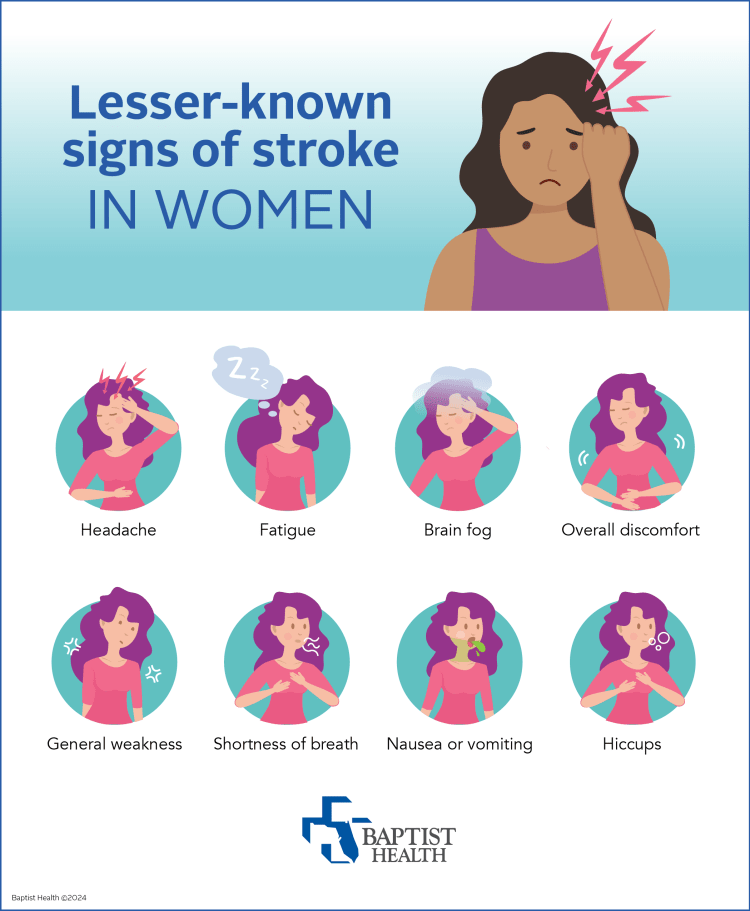
Why it’s second:
-
Stroke is a major cardiovascular event (though sometimes thought of separately) and a leading cause of death in women. For example, the American Stroke Association notes that “one in five women will have a stroke.” (CDC)
-
In 2019 in the U.S., about 4.07 million of the ~7.09 million prevalent strokes were in women (~57 %) according to recent data. (JAMA Network)
-
Given its high prevalence, impact on disability, and death toll in women, stroke is among the top cardiovascular conditions for women.
Key risk & women-specific issues:
-
High blood pressure is the top modifiable risk. (CDC)
-
Women have additional stroke risks: pregnancy (e.g., pre-eclampsia), hormonal therapy, migraine with aura, birth control use, and longer lifespans. (Office on Women's Health)
-
Awareness among women is lower than desirable, and outcomes can be worse in some groups.
3. Heart failure (HF)

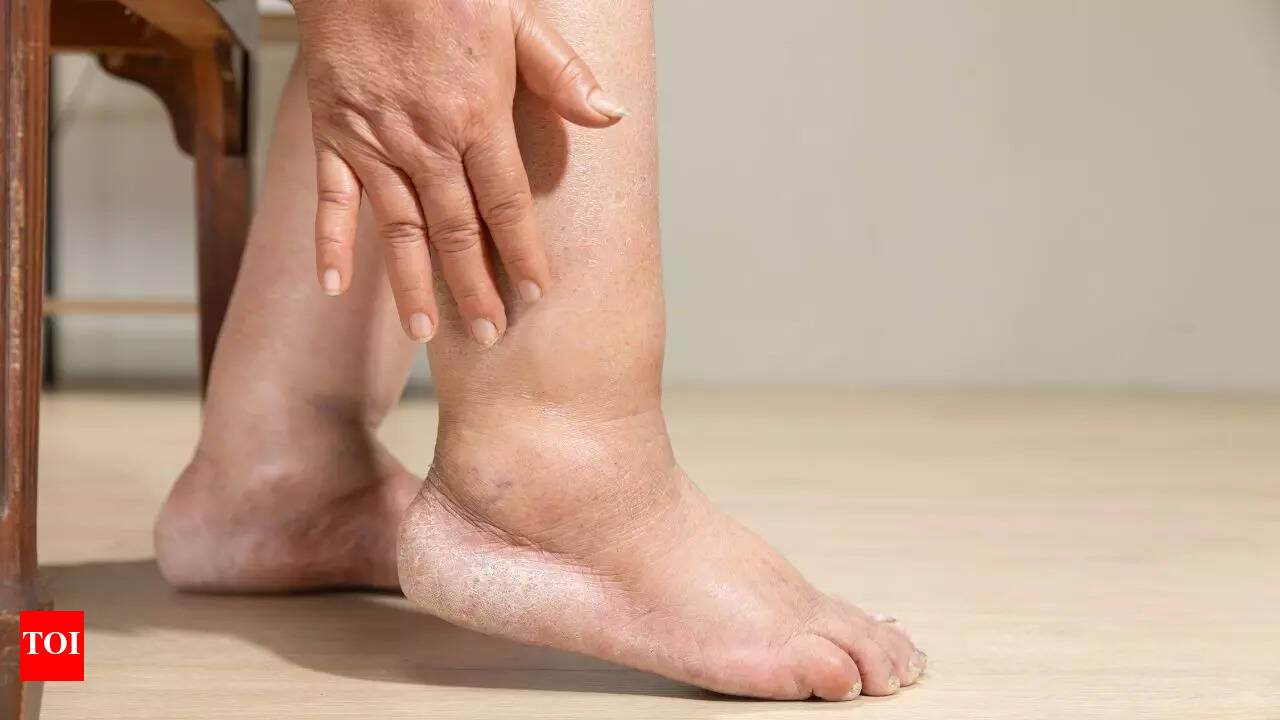


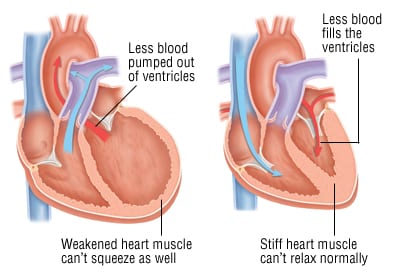
Why it’s third:
-
While prevalence in women is somewhat lower than men in some age groups, heart failure is a major cause of morbidity and mortality for women. (PMC)
-
The CDC notes that heart disease types include heart failure among the important conditions in women. (CDC)
-
Given its prevalence, the high cost of care, and its serious health‐impact (hospitalizations, disability), it merits being in the top three cardiovascular diseases for women.
Key risk & women‐specific issues:
-
Women with heart failure are often under-represented in clinical trials, which affects evidence-based care. (ScienceDirect)
-
Some forms of heart failure are more common in women (for example, heart failure with preserved ejection fraction) though the details are evolving. (PMC)
Summary Table
| Rank | Disease | Why it’s high in women |
|---|---|---|
| 1 | Coronary artery disease / coronary heart disease | Most common heart disease in women; leading cause of death for women; often under-recognized |
| 2 | Stroke | Very common among women, major cause of death and disability; unique women’s risk factors |
| 3 | Heart failure | High burden of morbidity; serious outcome of other cardiovascular disease; women face specific challenges in diagnosis & treatment |


